Plain-language guides to your animal's imaging, lab results and diagnoses, written for pet owners.
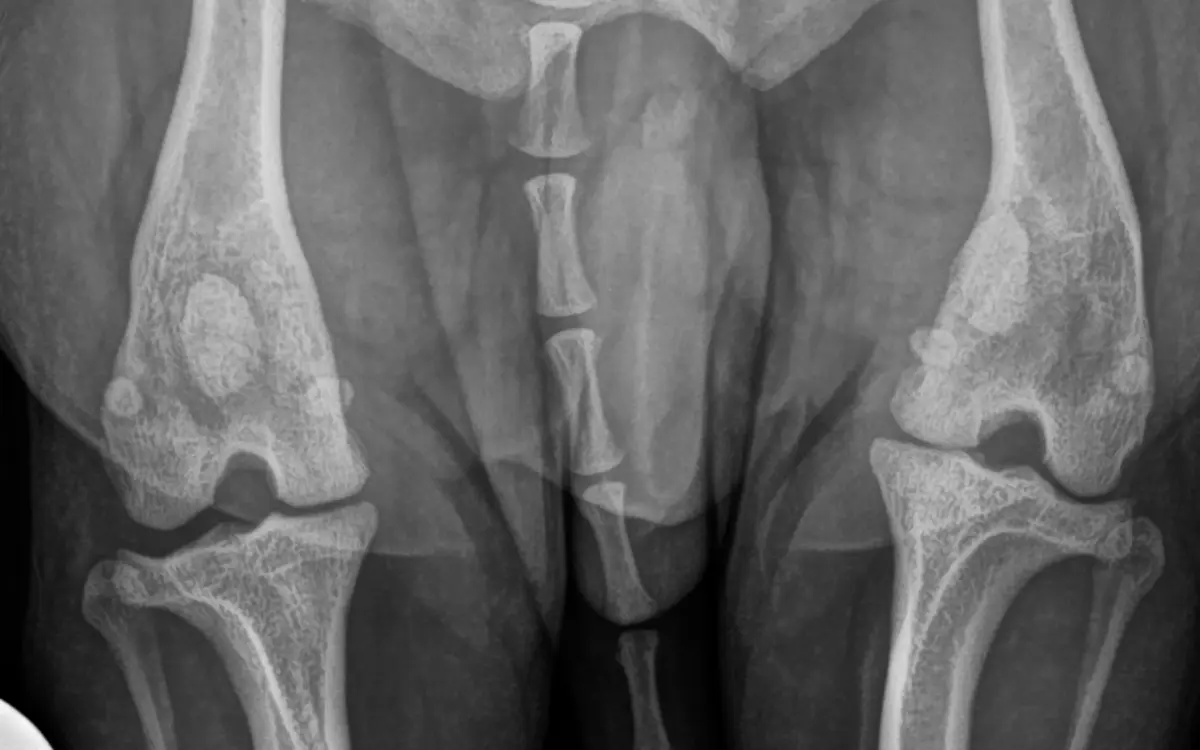
Patellar Luxation in Dogs: The Skipping Step and What the X-ray Shows
If your dog skips on a back leg or your vet mentioned a luxating patella, here is what it means. Learn how the slipping kneecap is graded, what an X-ray does and does not show, and how it is managed with and without surgery.
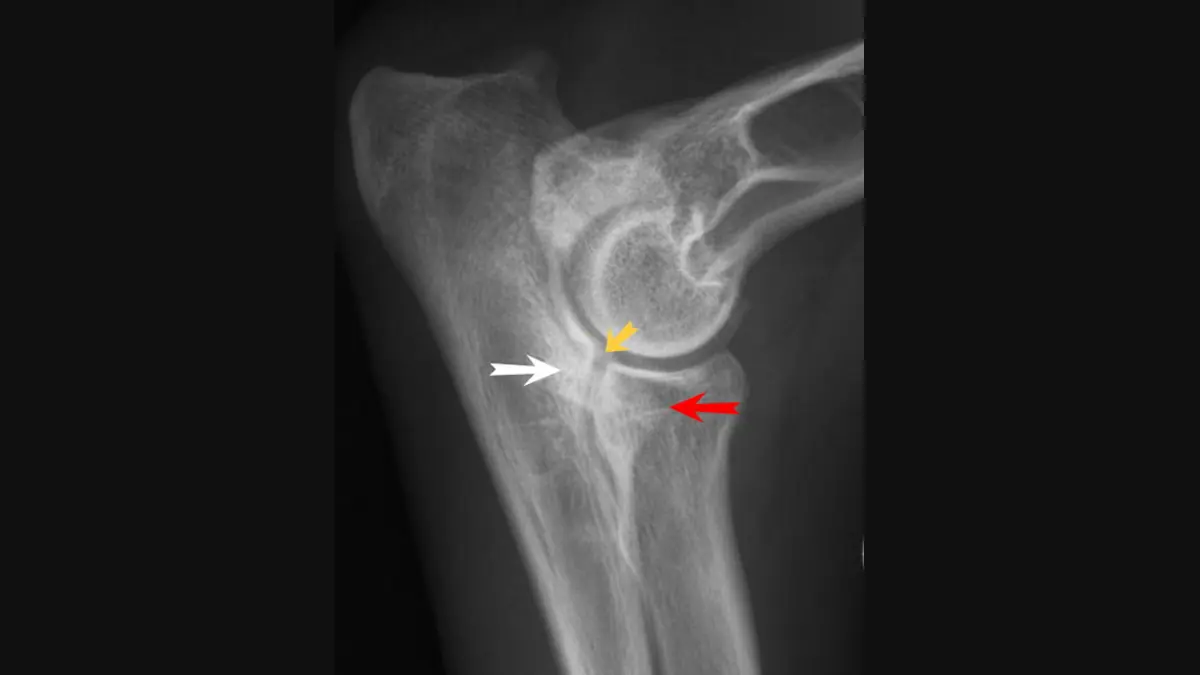
Elbow Dysplasia in Dogs: What the X-ray Shows and What Happens Next
If your vet mentioned elbow dysplasia, here is what it means. Learn what the term covers, what an elbow X-ray does and does not show, the signs of a sore elbow in a young dog, and how it is managed with and without surgery.
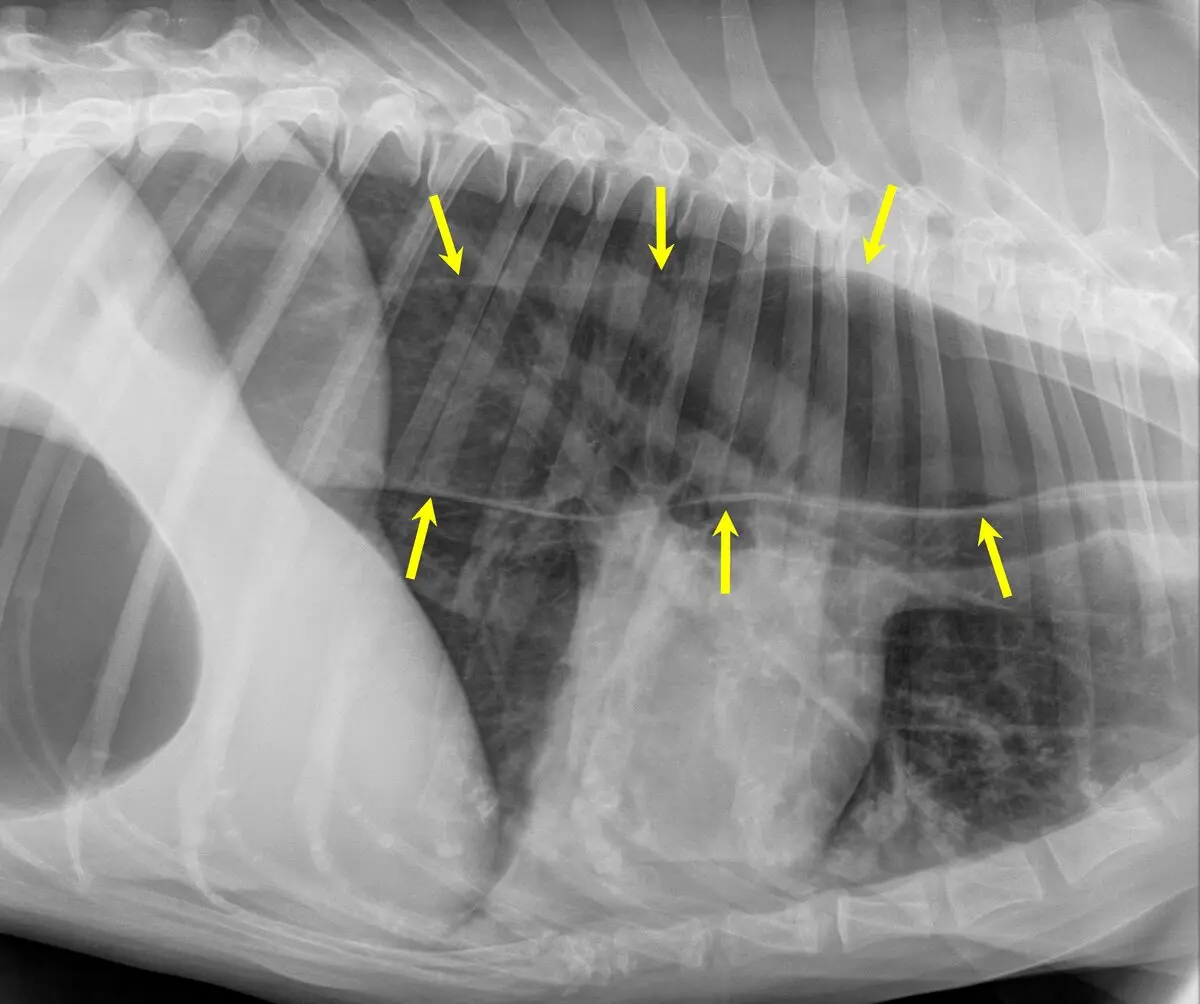
Megaesophagus in Dogs: Regurgitation, Aspiration Risk and What the X-ray Shows
If your dog keeps bringing food back up and the X-ray report says megaesophagus, here is what it means. Learn what the condition looks like on a chest X-ray, how to tell regurgitation from vomiting, why aspiration pneumonia is the real risk, and how it is managed at home.
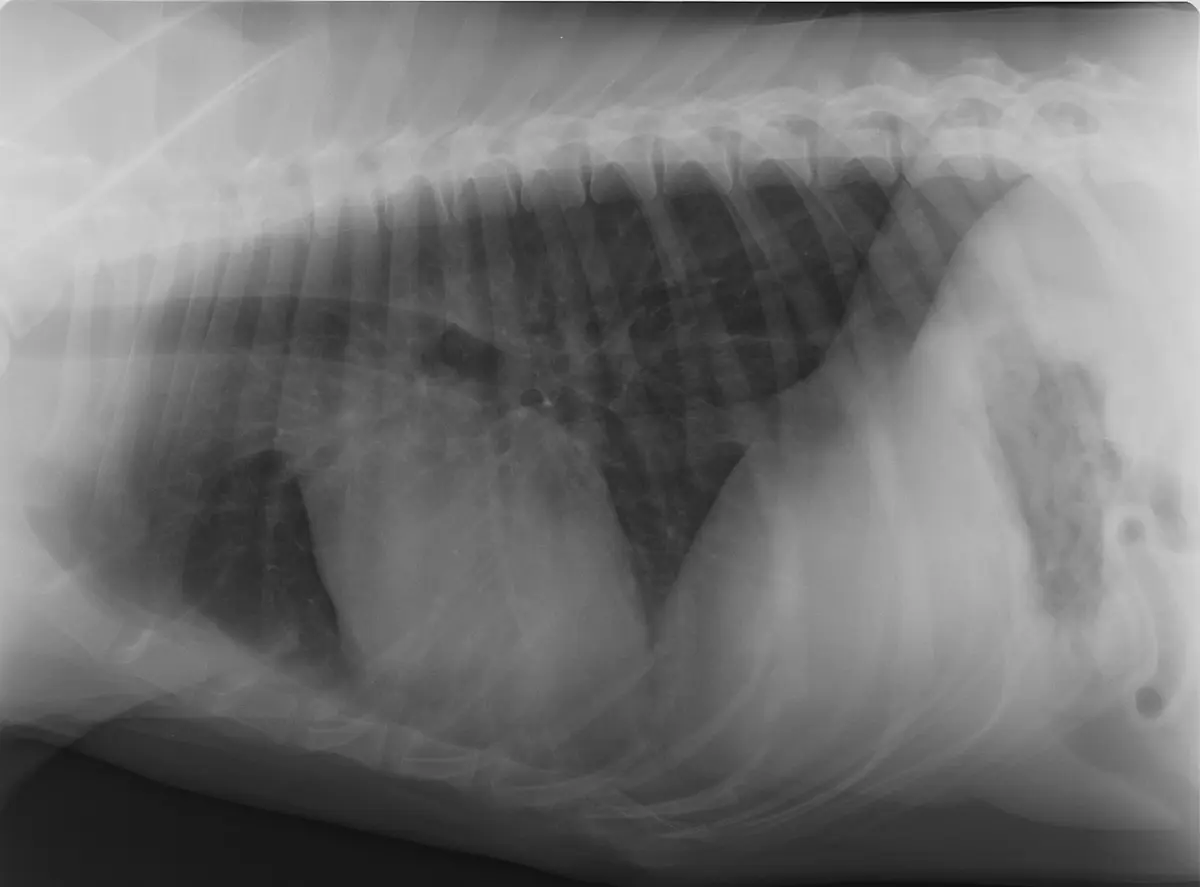
Lung Metastases in Dogs: What the "Cannonball" Pattern on a Chest X-ray Means
If your dog's chest X-ray report mentions "multiple pulmonary nodules" or the vivid nickname "cannonball pattern," it does not mean your time is up. Learn what the pattern means, which cancers cause it most often, why dogs often show no symptoms, and how it's confirmed and treated.
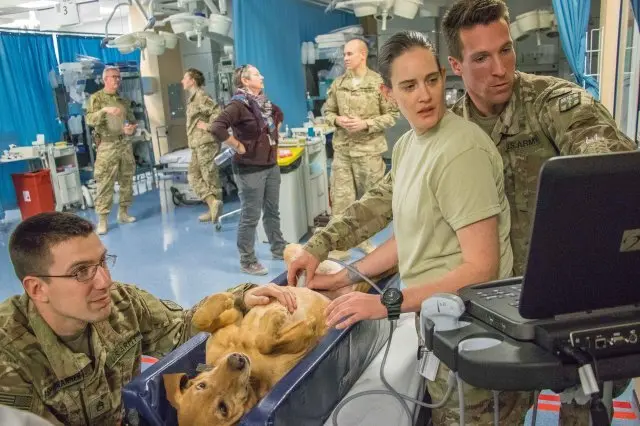
Bladder Tumor in Dogs: What an Ultrasound Finding Really Means
A bladder mass or thickened wall on your dog's ultrasound is unsettling, but it is not an automatic diagnosis of transitional cell carcinoma, and even when it is, there is a clear plan. Learn what the finding means, which dogs are most at risk, the one situation that is a real emergency, and how vets diagnose and treat it.
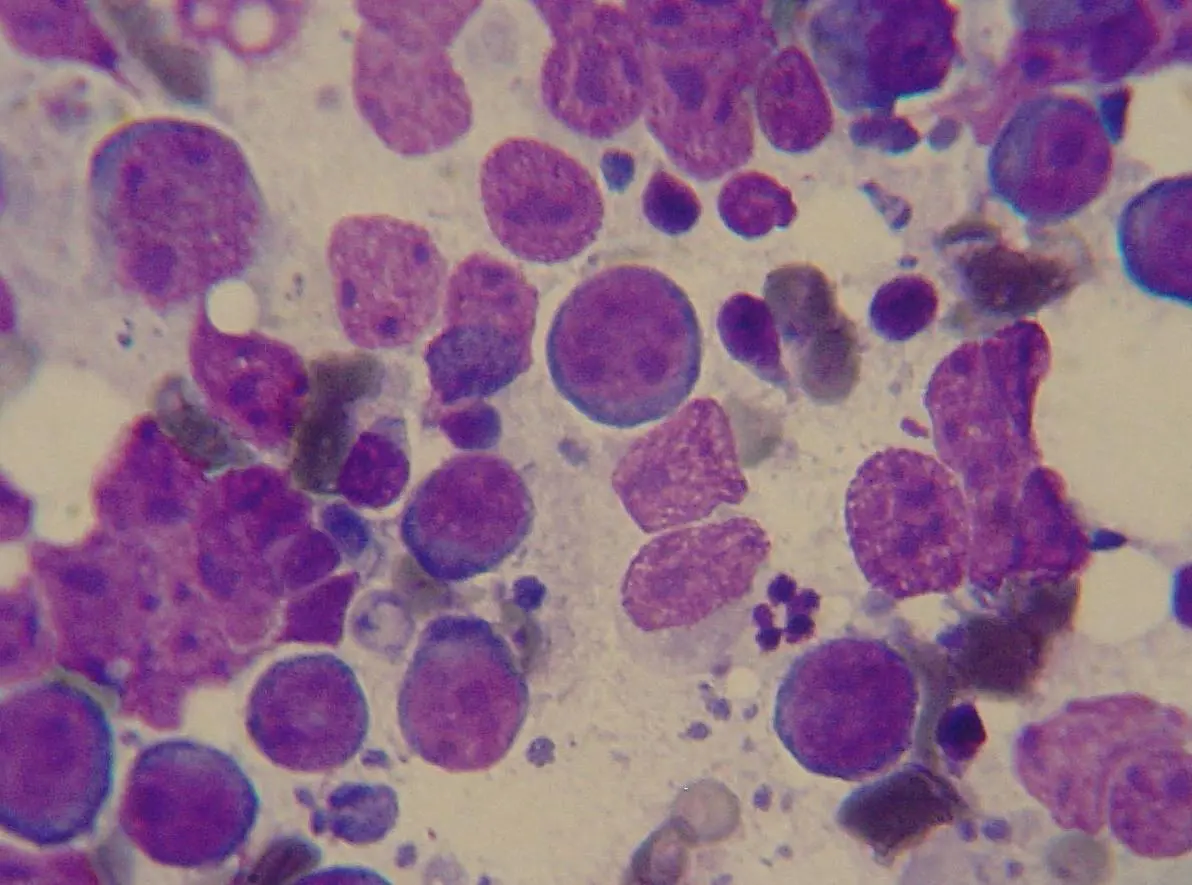
Lymphoma in Dogs: What Enlarged Lymph Nodes and Staging Scans Show
Your dog's lymph nodes are enlarged and the vet mentioned lymphoma? Learn what it means, how it's diagnosed, and what staging scans check for once the diagnosis is confirmed.
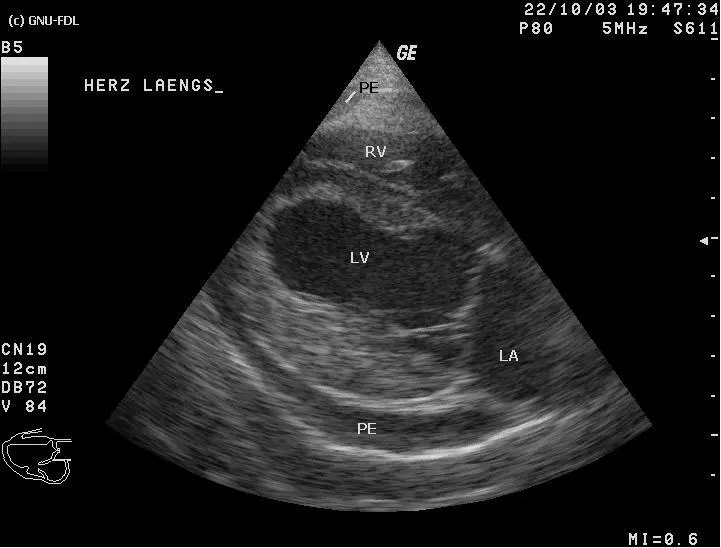
Pericardial Effusion in Dogs on Echocardiogram: A Cardiac Emergency
Your dog's echocardiogram showed fluid around the heart? Pericardial effusion can compress the heart and cause a true emergency, but the fluid itself is often the easiest part to treat. Here's what causes it, the warning signs, and how it's managed.
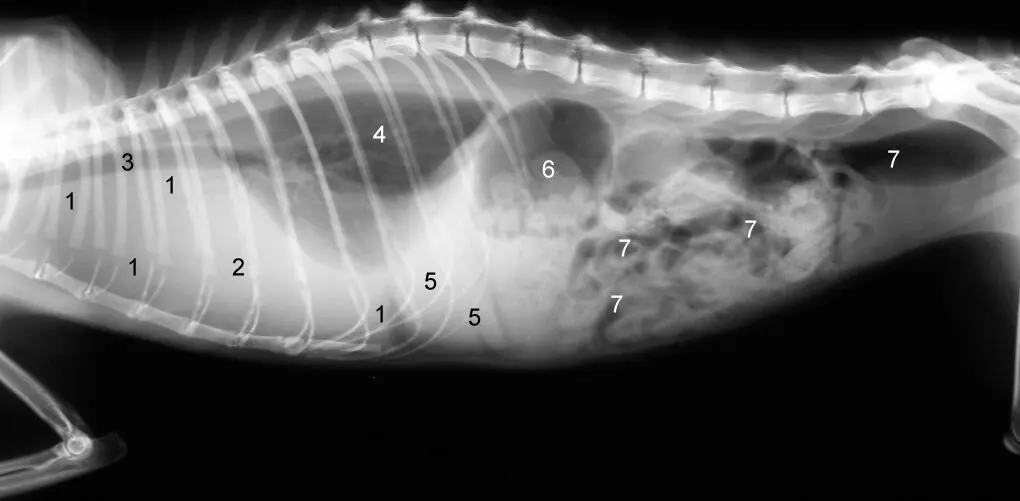
Pleural Effusion in Cats: What Fluid Around the Lungs Means on a Chest X-ray
Your cat's chest X-ray showed fluid around the lungs? Learn what pleural effusion means, why it happens, which signs mean same-day care, and how vets diagnose and treat it.
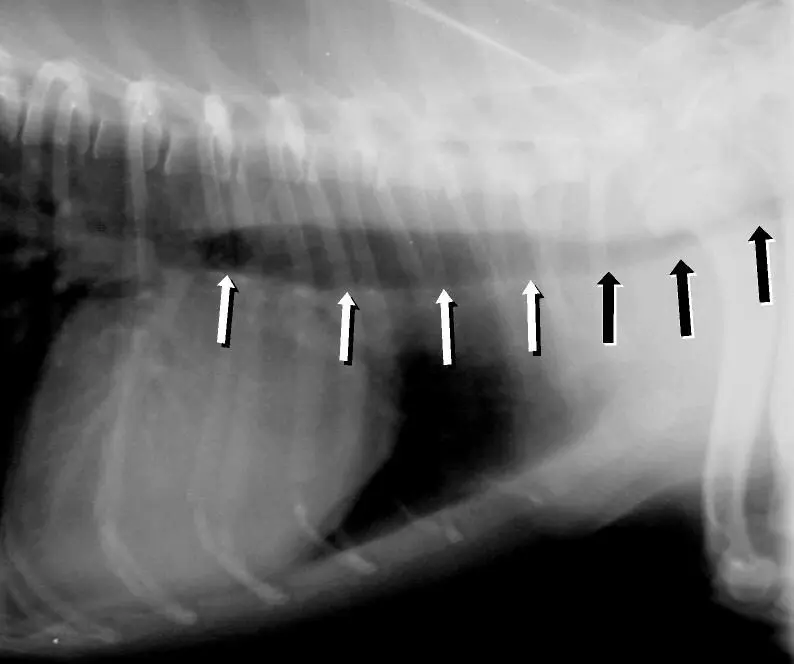
Collapsing Trachea in Dogs: What the Honking Cough Looks Like on an X-ray
Your dog has a dry, honking cough that sounds uncannily like a goose, especially when excited, warm, or pulling on the leash. Tracheal collapse is one of the most common chronic airway conditions in small-breed dogs, most cases are mild to moderate, and the large majority of affected dogs live full, comfortable lives with the right management.
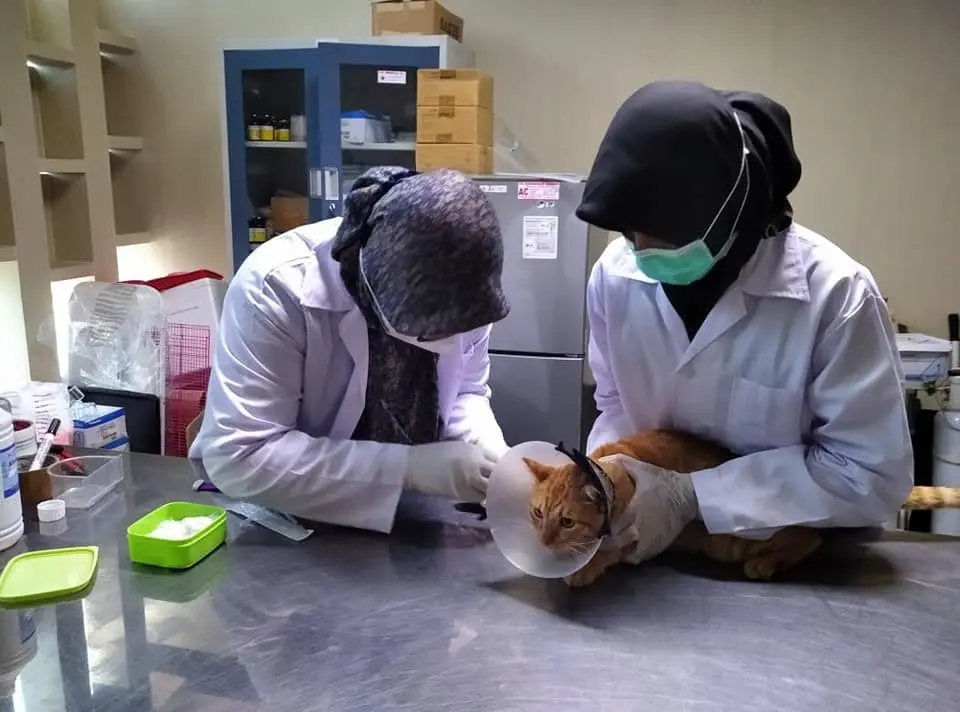
Feline Urethral Obstruction: The Signs, the X-ray, and Why It Cannot Wait
If your male cat is straining in the litter box and passing little or no urine, this is a same-day emergency, not a wait-and-see situation. Here's what causes a blocked cat, the warning signs, what the X-ray or ultrasound looks for, and how it's treated.

Feline Hyperthyroidism: What Weight Loss and a Racing Heart Mean
Older cat losing weight despite a big appetite, with a fast heartbeat? Feline hyperthyroidism is one of the most common, and most treatable, hormone problems in older cats. Here's what causes it, why it makes the heart race, and the four main treatment paths.

Chronic Sneezing and Nasal Discharge in Dogs: What a CT of the Nose Can Show
It started as the occasional sneeze. Now you are wiping the same nostril several times a day and you are on the third course of antibiotics that helped for a week and then stopped. Two things are worth knowing: a long-running nose problem in a dog almost always has a specific physical cause inside the nose, and the single most useful clue costs nothing, namely whether the discharge comes from one nostril or both.

Heart Murmur in Dogs: What It Means, When It Is Mitral Valve Disease, and What Happens Next
Your dog went in for a booster, the vet listened a few seconds longer than usual, and then said the words heart murmur. Nothing about your dog changed on the drive home, and that is worth holding onto: a murmur is a sound, not a diagnosis, and many dogs carry one for years while living completely normal lives. What it does mean is that the next step is looking at the heart rather than just listening to it.

Pancreatitis in Dogs: The Signs, What the Ultrasound Shows, and How It Is Treated
Your dog vomited, turned away from a favourite dinner, and has spent the evening curled up somewhere quiet with a slightly hunched back. The reassuring part: most dogs with pancreatitis have a mild episode and go back to being themselves within days. The frustrating part is that this is one of the harder diagnoses in general practice, and no single test settles it.

Glaucoma in Dogs: The Signs, Why It Is Urgent, and How It Is Treated
A dog's eye that turns suddenly red, cloudy, or teary is easy to mistake for a mild irritation that will pass by morning. When the cause is glaucoma, the morning is exactly what you do not have: it is a painful rise in eye pressure, and one of the few problems where the first hours decide whether sight can be saved. The reassuring part is that the pain can always be relieved, and with a fast response a threatened eye often can be too.

Found a Lump on Your Dog? What Skin Masses Mean and Why the Needle Test Matters
Few things send an owner's heart racing like feeling a new lump while stroking their dog. The good news: many lumps, especially the soft, slow-growing ones in older dogs, turn out to be completely harmless. The catch is that you genuinely cannot tell a harmless lump from a mast cell tumor by look and feel alone. A quick needle test settles it, and it is far kinder than months of anxious watching and waiting.

Bloat (GDV) in Dogs: The Signs, the X-ray, and Why Minutes Matter
If your large-breed dog suddenly has a swollen belly and keeps trying to vomit without bringing anything up, this is the one situation where you should not wait until morning. Bloat, or GDV, is a true emergency that moves fast. The reassuring part: dogs treated promptly have a good chance of pulling through, and there is a simple preventive surgery for high-risk breeds.

Liver Shunt in Dogs: Why It Is Missed for So Long, and What the Scans Actually Show
The puppy who stayed small, went quiet and strange after dinner, and took forever to wake up from the neutering anaesthetic. A liver shunt is a plumbing problem more than a disease of the liver itself, and it hides for months because the signs come and go with meals. Here is what bile acids, ultrasound, and CT angiography each really tell you, and why so many dogs do well after surgery.
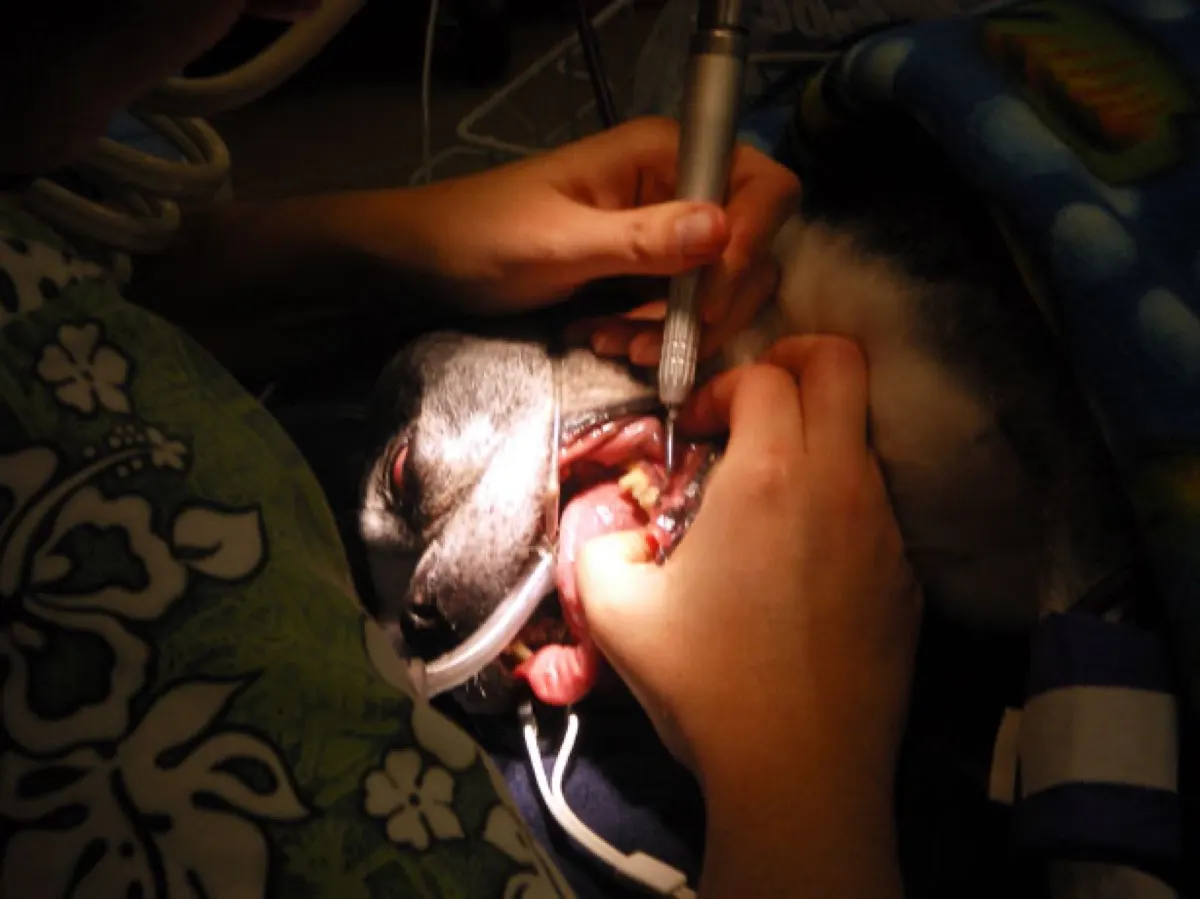
Tooth Root Abscess in Dogs: Why Dental X-rays Change the Plan
Most owners arrive at this diagnosis by one of two routes. Either the breath has been bad for so long that it became normal, or a firm swelling appeared under one eye overnight and looked like an insect bite. Then comes the part nobody expects: X-rays, a general anaesthetic, and a conversation about removing the tooth. The reassuring truth is that this is one of the most fixable problems in veterinary medicine.

Cushing's Disease in Dogs: What the Signs, Bloodwork, and Ultrasound Mean
Your dog empties the water bowl twice a day, asks to go out at three in the morning, and has developed a rounded belly and a thinning coat. For a long time it just looks like getting old, which is exactly why Cushing's disease is so often diagnosed late. The reassuring part: this is a slow, manageable hormonal condition, most affected dogs have the treatable form, and many live comfortably for years once the right diagnosis is in place.

Chronic Kidney Disease in Cats: What the Ultrasound and Bloodwork Show
Being told your cat has chronic kidney disease is one of the harder moments for the owner of an older cat, and the first question is usually how long you have together. The balanced truth: CKD cannot be cured, but it is one of the most manageable long-term conditions in cats, and many cats found early live comfortably for years. Learn what the ultrasound and bloodwork show, what the IRIS stages mean, and how it is managed at home.
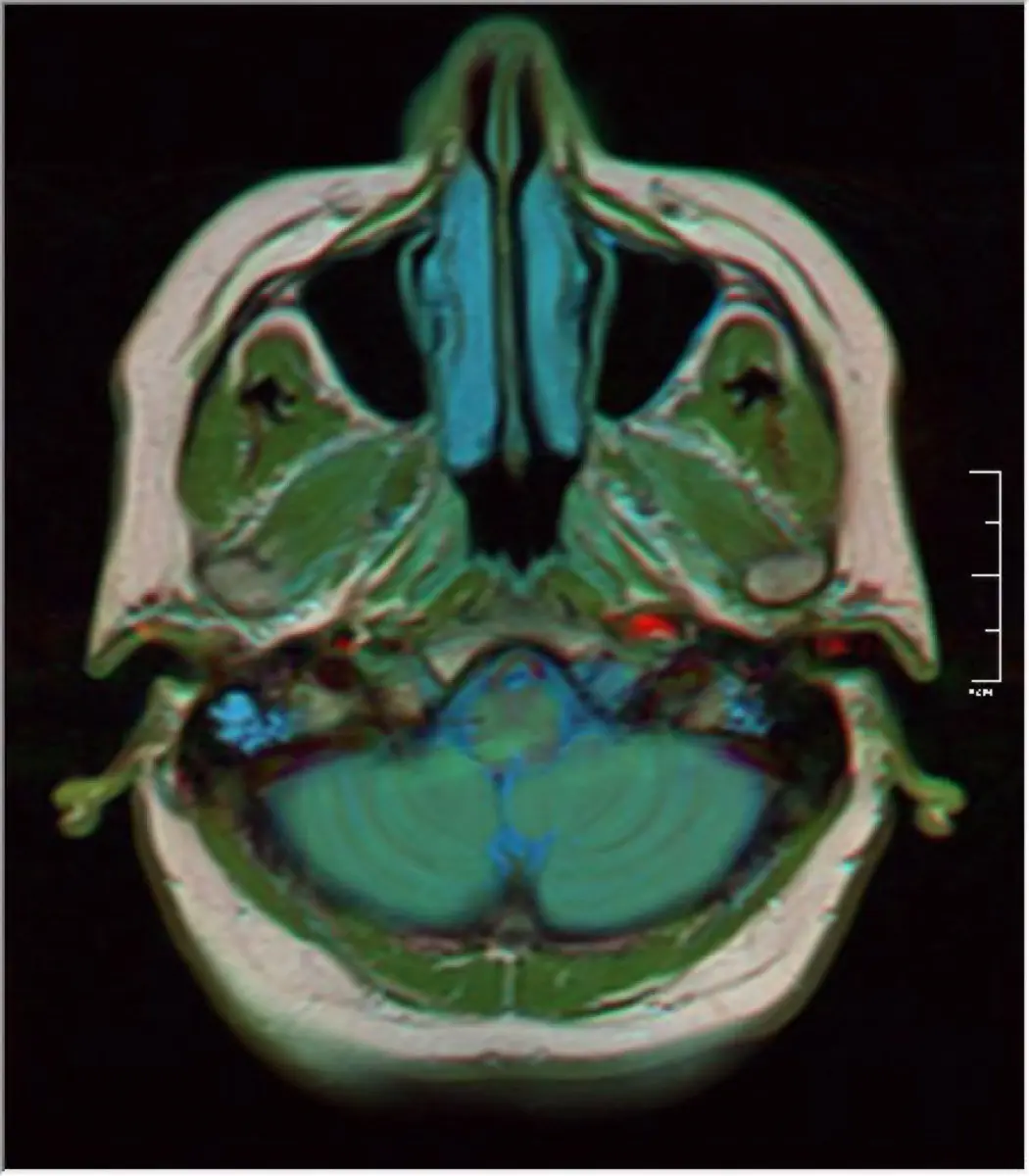
Seizures and Brain Tumors in Dogs: What an MRI Can Show
Watching your dog have a seizure is terrifying, and the first fear is often the word tumor. The reassuring truth: in most dogs, especially younger ones, a seizure does not mean a brain tumor. Learn what really causes seizures, when an MRI is the right next step, and what the scan can and cannot show.

Gallbladder Mucocele in Dogs: What the Ultrasound Finding Means
Your dog goes in for mild vomiting or a routine blood test, and the ultrasound comes back with an unfamiliar phrase: gallbladder mucocele. The balanced truth: it deserves attention, but many are caught early, before your dog is truly sick, which is exactly when the outcome is best. Learn what the kiwi or star-shaped pattern means, how it differs from harmless sludge, when it is an emergency, and how it is treated.
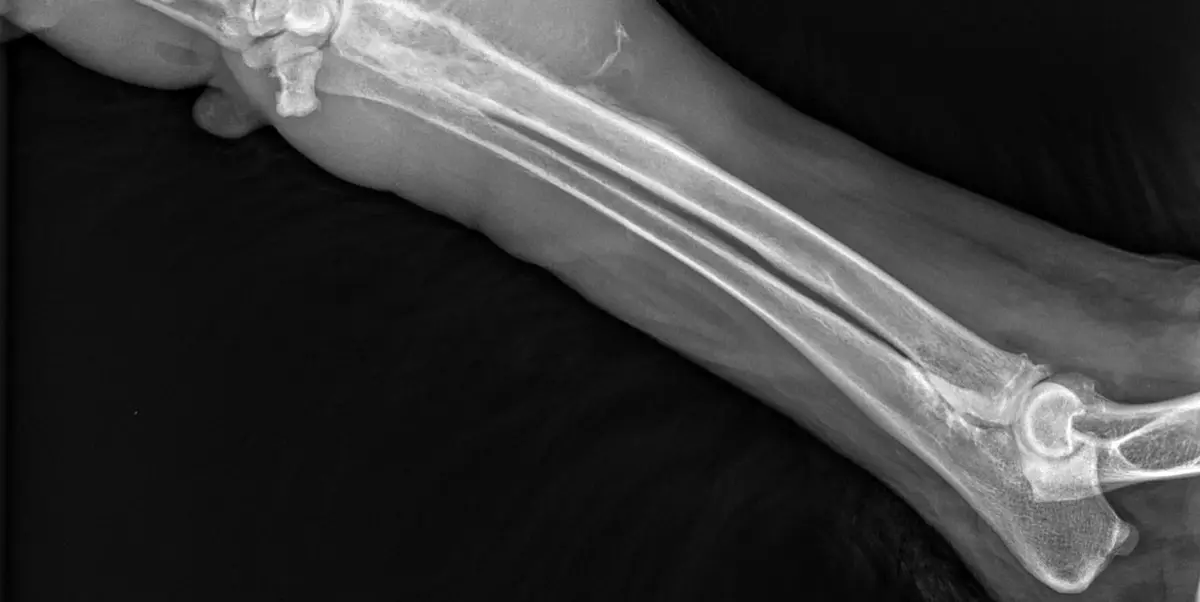
Bone Tumor in Dogs: What an Aggressive Lesion on a Leg X-Ray Means
You brought your dog in for a limp and left with the word tumor. If the X-ray report says "aggressive bone lesion", the shock is real, and so is the question you may not have said out loud yet: does this mean amputation? Learn what the radiologist is actually seeing, what the lesion could be besides osteosarcoma, how a diagnosis is confirmed, and what the choices honestly look like.
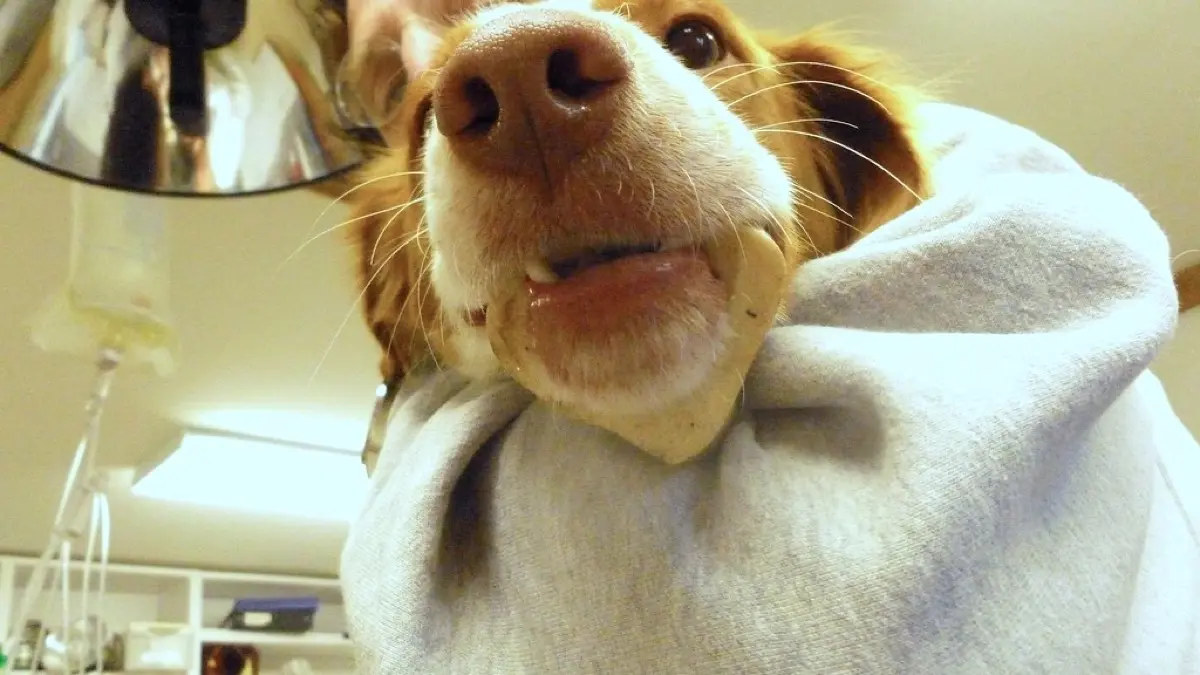
Pyometra in Dogs: What This Uterine Infection Means and Why It's an Emergency
Hearing your dog has pyometra, an infected uterus, is frightening, especially when the vet says emergency. The balanced truth: it is serious and time-sensitive, but one of the most treatable emergencies in veterinary medicine, and most dogs recover fully after prompt surgery. Learn the signs, the open-versus-closed difference, and how it is treated.

Intestinal Blockage in Dogs: What a Foreign Body Looks Like on X-ray
Hearing your dog's X-ray shows a possible obstruction or foreign body is frightening, but many swallowed objects pass on their own, and even a true blockage is one of the most treatable emergencies in veterinary medicine. Learn what an obstruction looks like on imaging, the warning signs that mean act now, and how it is diagnosed and treated.

Feline Asthma on a Chest X-ray: What a Bronchial Pattern in Cats Means
Your cat's chest X-ray mentions feline asthma or a bronchial pattern, and the coughing looks alarming. The reassuring truth: feline asthma is one of the most common chest conditions in cats, it is very manageable in the large majority, and most affected cats live full, comfortable lives. Learn what the finding means, the warning signs to know, and how it is treated.
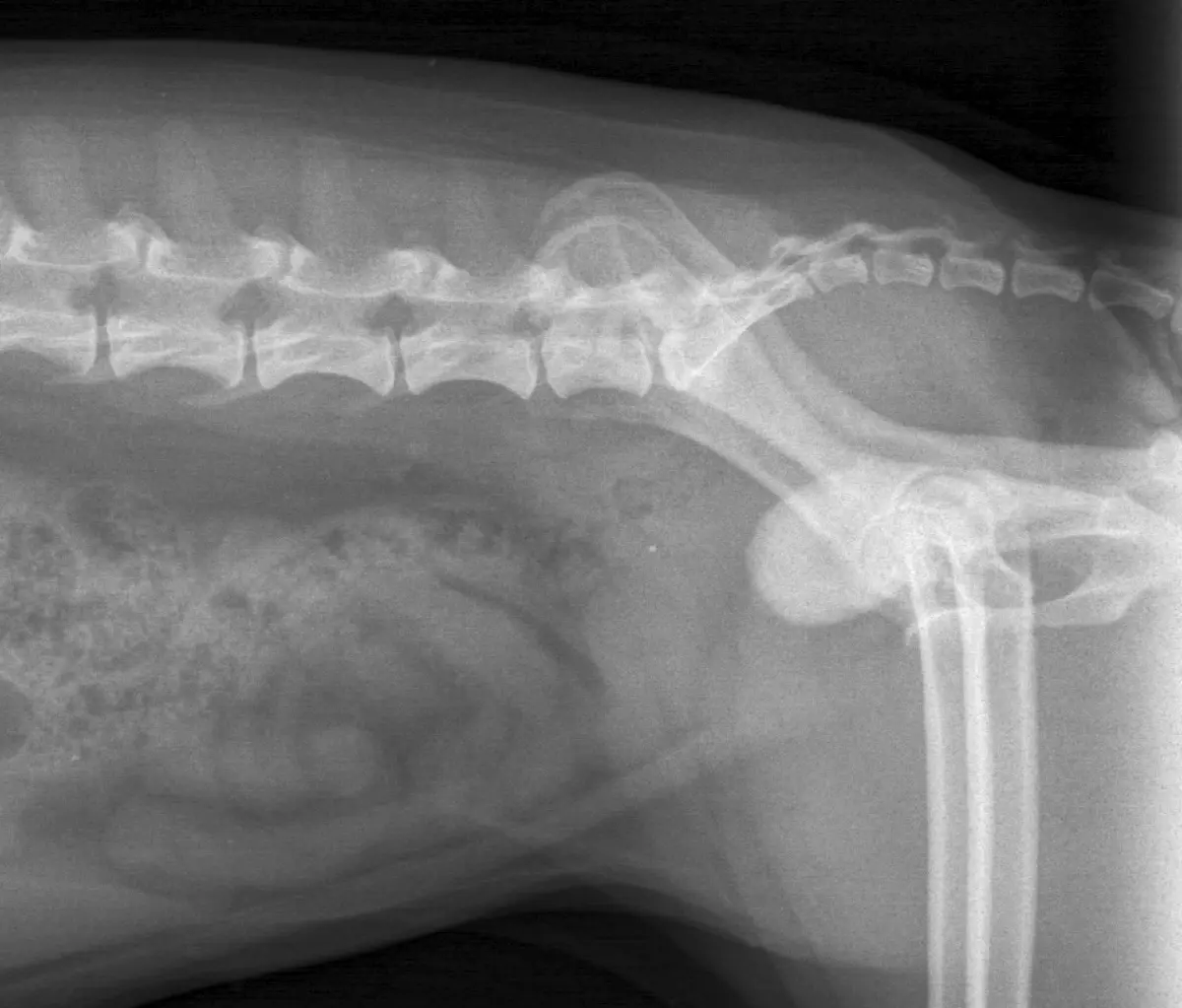
Bladder Stones in Dogs: What They Mean on X-ray and Ultrasound
A bladder stone on your dog's X-ray or ultrasound is worrying, but these stones are common and very treatable, and most dogs recover fully once they are dealt with. Learn what the finding means, the one situation that is a real emergency, and how stones are treated and prevented.
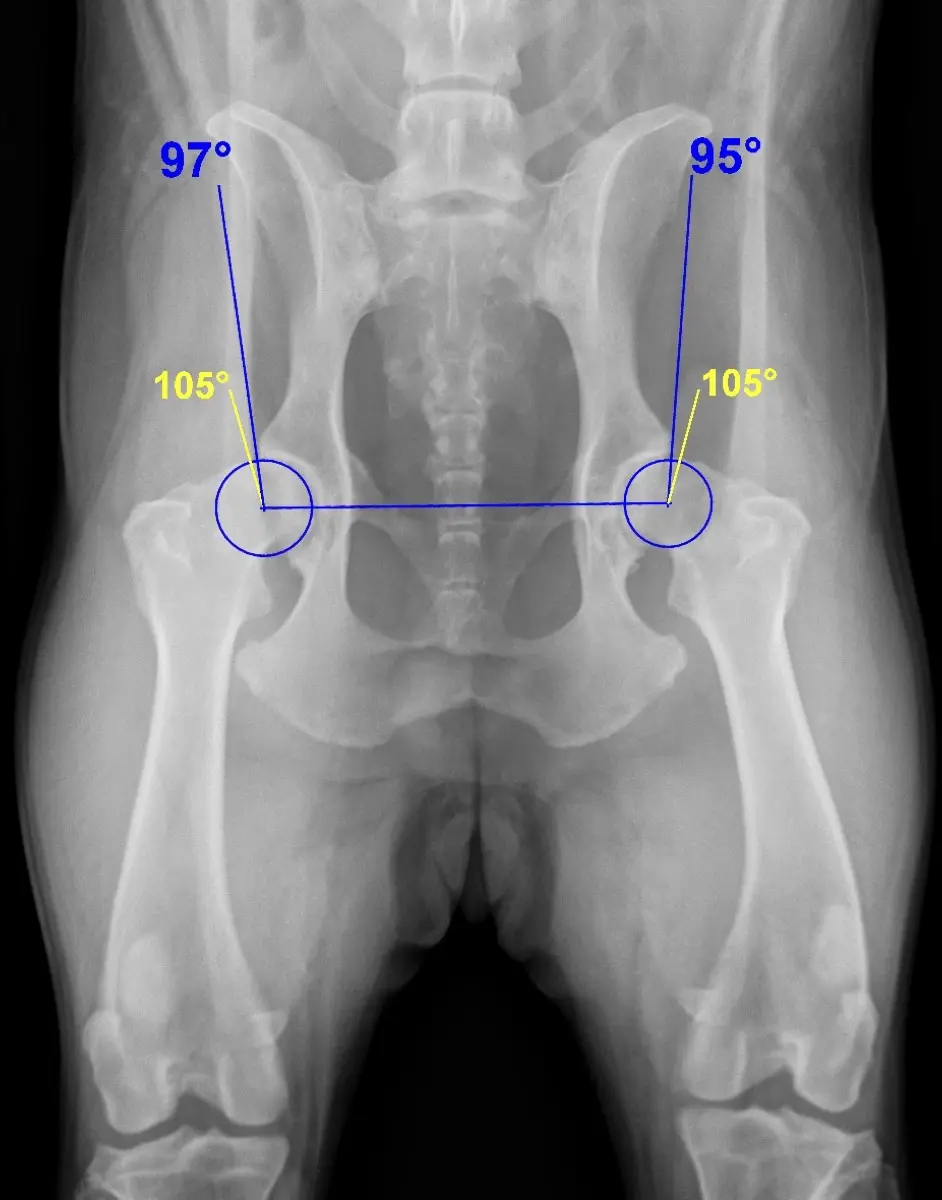
Hip Dysplasia on a Dog's Pelvic X-ray: What It Means and What to Do
Seeing "hip dysplasia" or "coxofemoral subluxation" on your dog's pelvic X-ray is unsettling, but most affected dogs go on to live full, active lives. This guide explains what the term means on a radiograph, how hips are graded with OFA, PennHIP, and FCI, and why the large majority are managed comfortably without surgery.
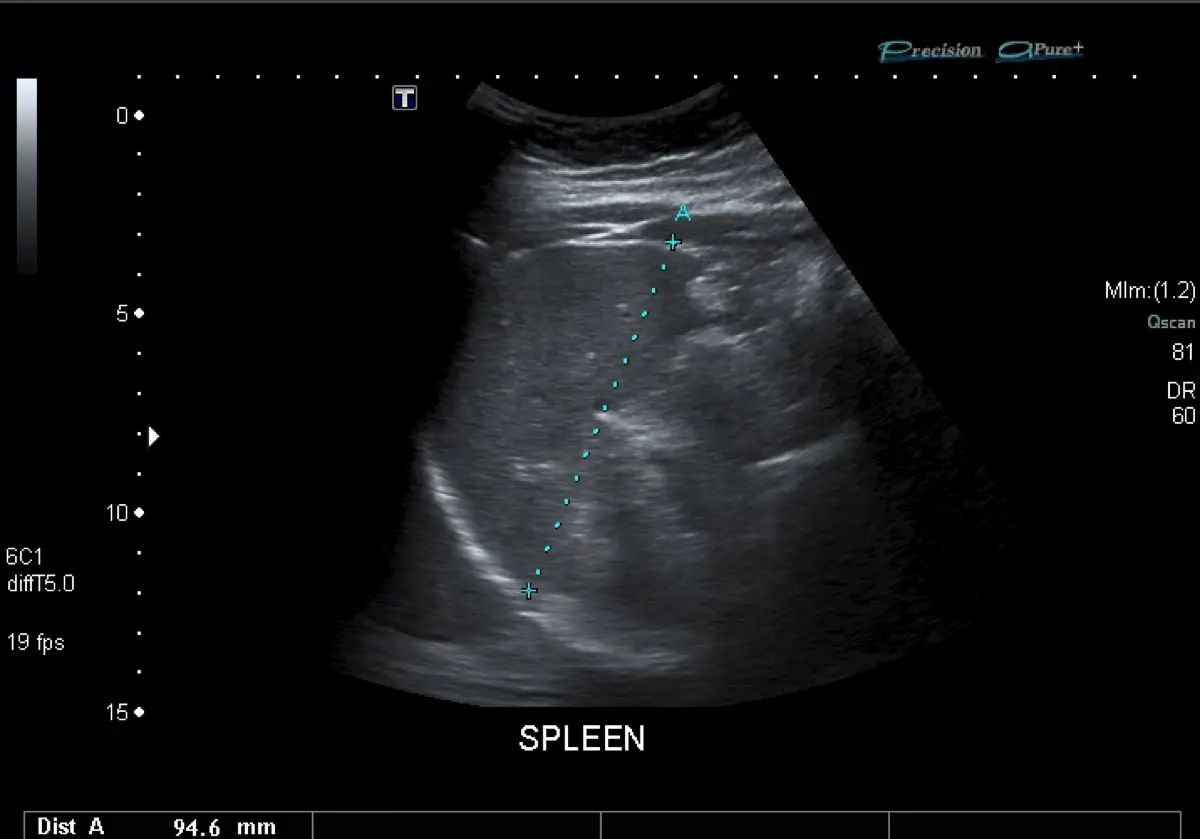
Splenic Mass or Nodule in Dogs: What an Ultrasound Finding Really Means
A splenic mass on your dog's ultrasound is not an automatic cancer diagnosis, and not a death sentence. Learn what the finding means, the benign possibilities, the rupture warning signs, and the staging and surgery steps that lead to a definitive answer.
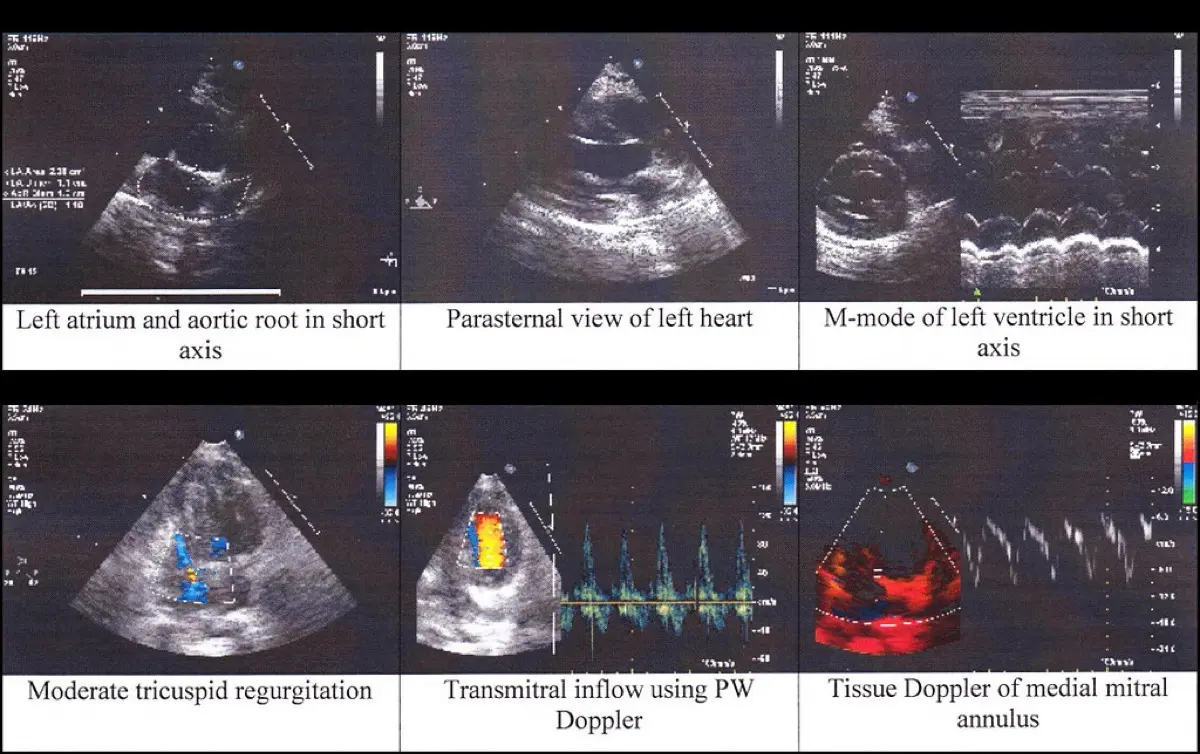
Hypertrophic Cardiomyopathy (HCM) in Cats on Echocardiography: What It Means
If your cat's echocardiogram mentions HCM or a thickened heart wall, it is natural to feel shaken. HCM is the most common heart condition in cats, and many affected cats stay comfortable for years. Here is what the finding means, what the wall-thickness numbers say, the warning signs to know, and how it is managed.
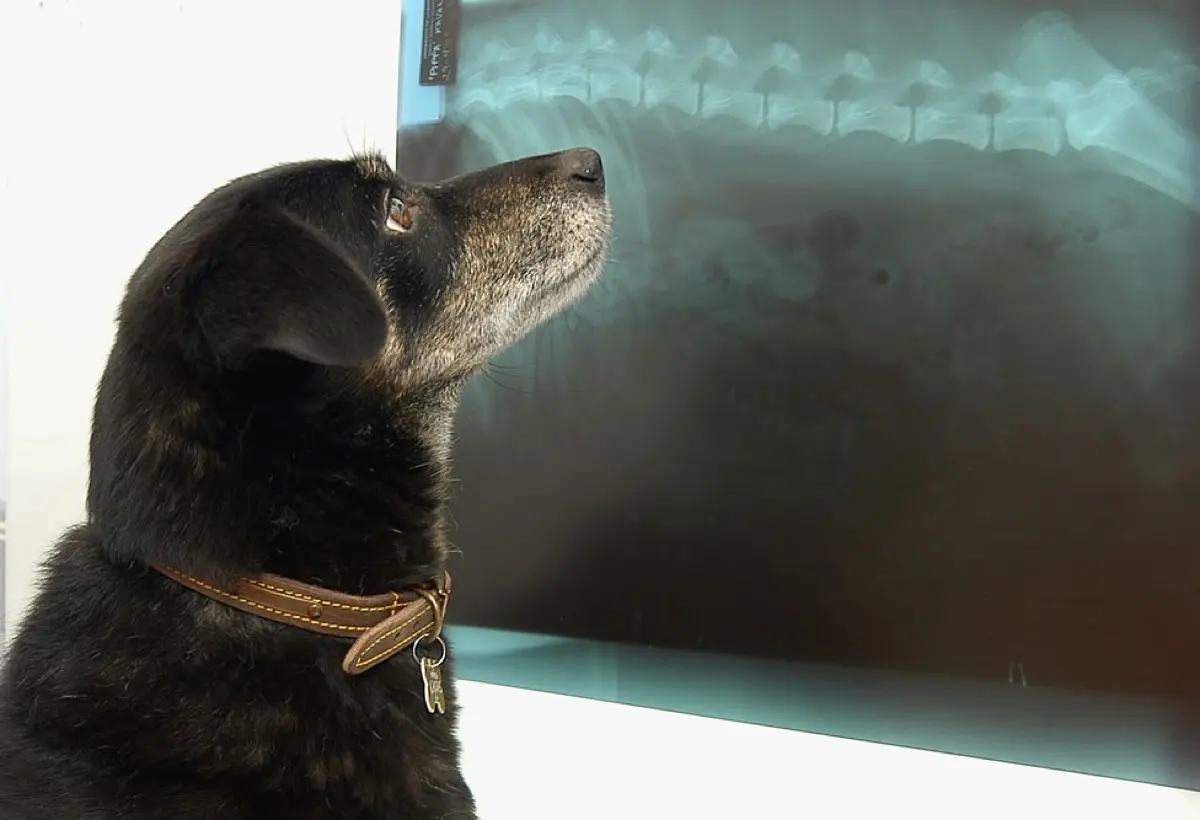
Cruciate Ligament Tear in Dogs: The Canine ACL Injury Explained
A cranial cruciate ligament (CCL) rupture is the canine version of a human ACL tear and the most common knee injury in dogs. It is usually a slow degenerative process rather than one accident, which is why the other knee often tears later too. Here is what it means, how it is diagnosed, and how owners and vets choose between surgery (TPLO, TTA, lateral suture) and conservative care.
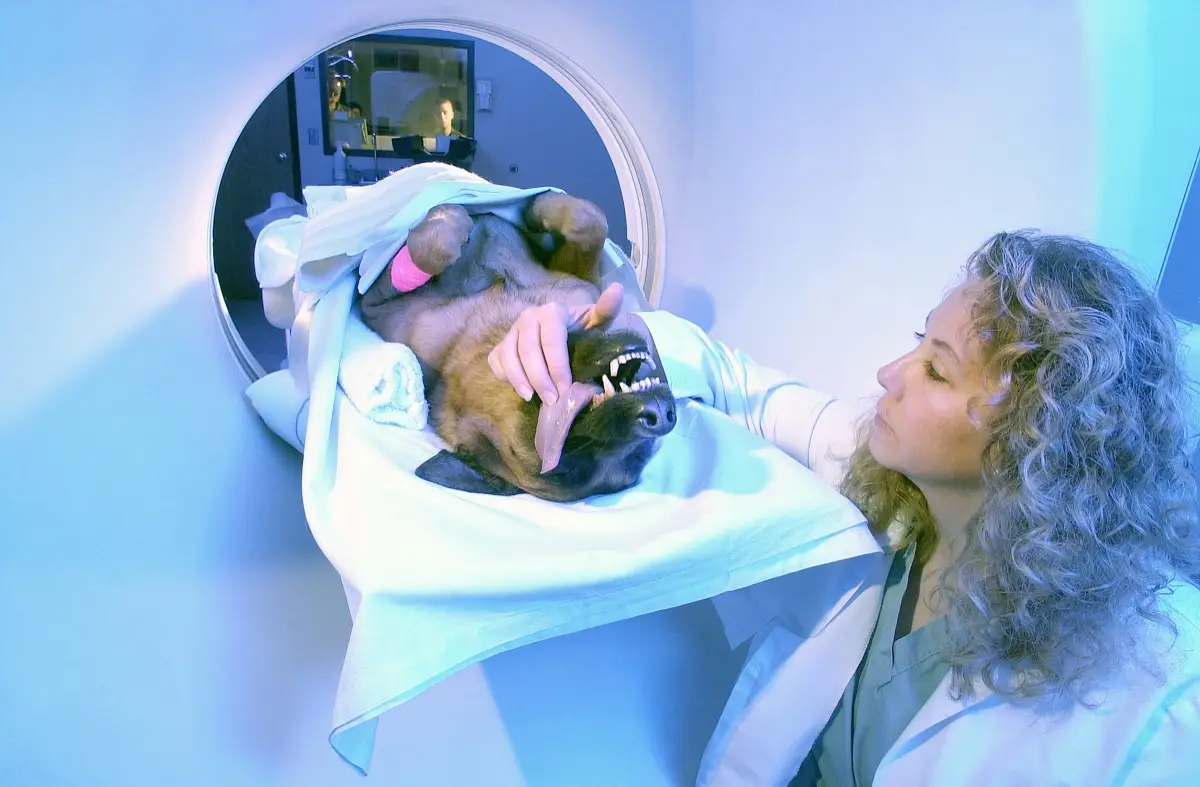
IVDD in Dogs: What Intervertebral Disc Disease Means on a Spinal MRI
If your dog's MRI mentions intervertebral disc disease, IVDD, or a disc extrusion, it is natural to feel shaken. Many dogs recover well, and the MRI is exactly the tool that helps your vet choose the right plan. Learn what Hansen type I and II mean, how severity is graded, the one red flag that can't wait, and how treatment works.