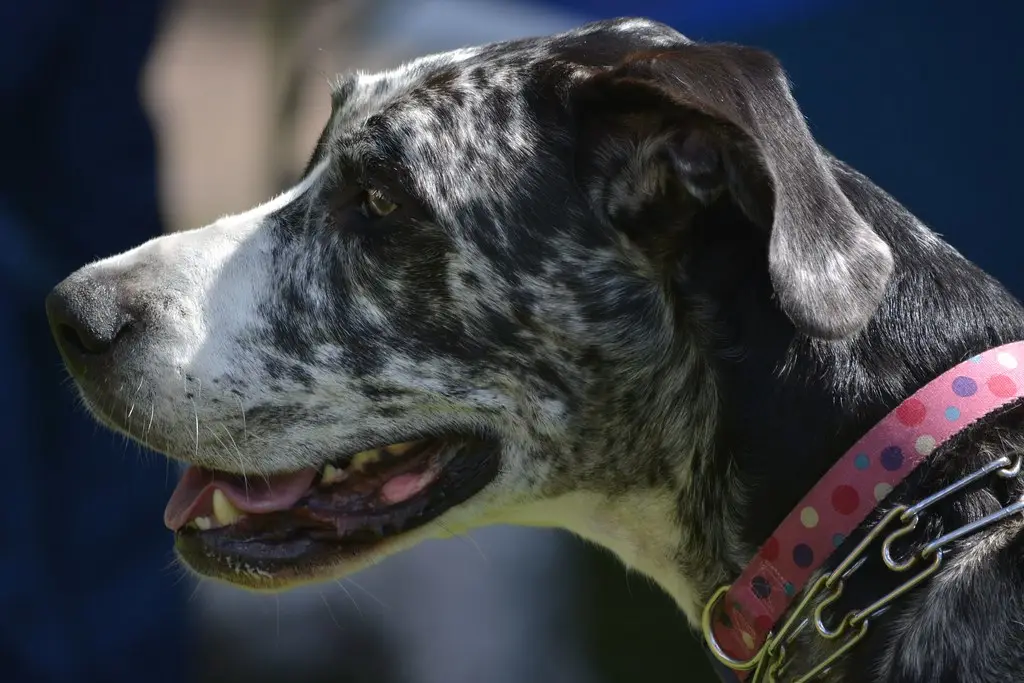
If your large-breed dog suddenly has a swollen belly and keeps trying to vomit without bringing anything up, this is the one veterinary situation where you should not wait until morning. Bloat, known medically as gastric dilatation-volvulus or GDV, is a true emergency, and it moves fast. The reassuring part is that dogs treated promptly have a good chance of pulling through, and there is a simple preventive surgery for high-risk breeds. Knowing the signs is genuinely the difference that saves lives.
What bloat (GDV) actually is
Bloat happens in two stages. First the stomach fills with gas and fluid and swells (the "dilatation"). Then, in the dangerous form, the over-full stomach rotates on itself and twists shut at both ends (the "volvulus"). Once it twists, gas can no longer escape, the stomach keeps expanding, and it presses on the large veins that return blood to the heart. The stomach wall also loses its own blood supply. That combination is what makes GDV so serious so quickly.
Simple gas bloat without a twist is less severe, but from the outside you cannot reliably tell the two apart, and a mild bloat can progress to a full twist. That is why every suspected bloat is handled as an emergency until a veterinarian and an X-ray say otherwise.
The warning signs to know
- Unproductive retching — repeated attempts to vomit that bring up little or nothing. This is the classic red flag.
- A swollen, hard belly — the abdomen looks distended and may feel tight like a drum, especially behind the ribs.
- Restlessness and pacing — the dog cannot get comfortable, keeps standing up, or looks anxious.
- Heavy drooling — often with lips being licked repeatedly.
- Weakness or collapse — pale gums, rapid breathing, and a fast heart rate are late, urgent signs.
You do not need to see all of these. Unproductive retching plus a distended belly in a big dog is enough to go straight to a veterinarian.
Why it is an emergency
GDV is one of the few conditions where hours, not days, decide the outcome. The twisted stomach cuts off circulation to its own wall and squeezes the veins that feed the heart, which can send a dog into shock. This is the kind of finding vets act on immediately. Like a gastrointestinal blockage on X-ray, it is an acute-abdomen problem, but GDV typically moves even faster and is treated as a same-hour emergency rather than a wait-and-watch situation.
What the X-ray shows
The diagnosis is usually confirmed with a right-side-down abdominal X-ray. On it, a twisted stomach shows a characteristic pattern: a large gas-filled stomach divided into two pockets by a fold of tissue, sometimes described as a "double bubble" or a boxing-glove shape. This appearance separates a true volvulus, which needs surgery, from simple gas dilatation, which may be managed differently. The X-ray also shows whether the spleen has moved out of place, since it can twist along with the stomach, a bit like the sudden change seen with a splenic problem on ultrasound.
How it is treated
Treatment starts before surgery: the team stabilizes the dog with intravenous fluids for shock and relieves pressure by passing a tube or needle to release trapped gas. Once the dog is stable enough, surgery untwists the stomach, checks whether the stomach wall and spleen are still healthy, and removes any tissue that has been damaged. Crucially, the surgeon then performs a gastropexy, tacking the stomach to the body wall so it cannot twist again, because without it bloat often comes back.
Prevention and everyday changes
You cannot remove the risk entirely, but you can lower it. Feed smaller meals more often rather than one large meal, use a slow-feeder bowl for dogs that gulp, provide water throughout the day rather than a huge drink at once, and avoid vigorous exercise right around mealtimes. For the highest-risk breeds, many owners choose a preventive gastropexy, often done at the same time as spaying or neutering, which dramatically reduces the chance of a life-threatening twist later on.
Why a second read can help
Bloat itself is an in-clinic emergency that cannot wait for a remote opinion. But in the calmer days that follow surgery, or when you are weighing a preventive gastropexy for a high-risk puppy, an expert second read of the X-rays and records can help you understand what happened and what the safest plan is going forward. A DocOrbit second opinion gives you an independent view you can discuss with your own veterinarian, so the decisions about your dog's stomach and long-term prevention feel clear rather than rushed.
What are the first signs of bloat in a dog?
The most telling early sign is unproductive retching: your dog tries to vomit again and again but little or nothing comes up. Alongside it you may see a swelling or hard, drum-like belly, restlessness and pacing, heavy drooling, and obvious discomfort. If you notice this combination, treat it as an emergency and go to a veterinarian right away.
How quickly does bloat become dangerous in a dog?
Bloat can go from mild discomfort to a life-threatening state within a few hours, sometimes faster. Once the stomach twists, it cuts off its own blood supply and presses on major veins, so time genuinely matters. This is why bloat is treated as a same-hour emergency rather than something to watch overnight.
Which dog breeds are most at risk of bloat?
Large and giant deep-chested breeds are most at risk, including Great Danes, German Shepherds, Standard Poodles, Weimaraners, Boxers, and Setters. A deep, narrow chest, older age, a close relative that had bloat, and eating one large fast meal a day all raise the risk. Smaller dogs can bloat too, but far less often.
Can bloat in dogs be prevented?
Risk can be lowered but not fully removed. Feeding smaller meals more often, slowing down fast eaters, and avoiding hard exercise right after eating all help. For high-risk breeds, a preventive surgery called a gastropexy tacks the stomach to the body wall so it cannot twist, and it is often done at the same time as spaying or neutering.
Key takeaways
- Bloat (GDV) is a true, fast-moving emergency — a swollen belly plus unproductive retching in a big dog means go to a vet now.
- An X-ray confirms whether the stomach has actually twisted, which decides the surgery.
- Prompt treatment gives a good chance of recovery, and a gastropexy tacks the stomach down so it cannot twist again.
Can I get a second opinion on my pet's X-ray online?
Yes. Online veterinary radiology second opinions run entirely from home: you upload your images, with no CD to post and no second trip, and a subspecialist veterinary radiologist re-reads the study and writes a structured report you can give to your own vet. DocOrbit returns that signed second read in 24 to 48 hours. You can then message the veterinary radiologist with questions about the X-ray and about what the report actually means for your pet.
This article is for general information only and is not veterinary advice. Always discuss your animal's imaging results and next steps with a qualified veterinarian.