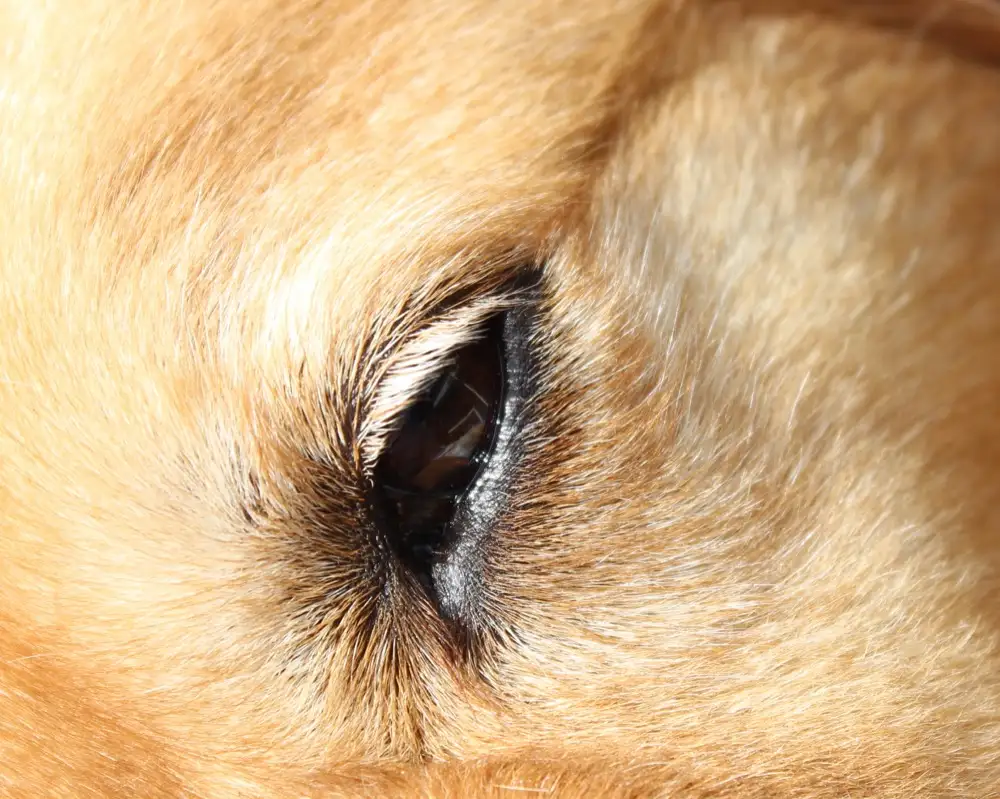
A dog's eye that turns suddenly red, cloudy, or teary is easy to mistake for a mild irritation that will pass by morning. When the cause is glaucoma, though, the morning is exactly what you do not have. Glaucoma is a painful rise in pressure inside the eye, and it is one of the few eye problems where the first hours genuinely decide whether sight can be saved. The reassuring part is that the pain can always be relieved, and with a fast response a threatened eye often can be too.
What glaucoma actually is
The eye is constantly making a clear fluid that nourishes it and then drains away at the same rate, keeping the internal pressure steady. In glaucoma the drainage angle becomes blocked, so fluid keeps arriving but cannot leave. The pressure climbs, and that pressure presses on the retina and the optic nerve, the two structures that turn light into vision. Unlike the slow, silent glaucoma common in people, canine glaucoma is often sudden and acutely painful, which is why it behaves like an emergency rather than a gradual change.
Why it is an emergency
The reason vets treat glaucoma so urgently is simple: the optic nerve does not tolerate high pressure for long. Once the pressure has been very high for a day, and sometimes for only a matter of hours, the damage to sight in that eye can be permanent and cannot be reversed. This puts glaucoma in the same act-now category as a few other true emergencies, much like the way minutes count with bloat (GDV) in dogs. If you are ever unsure, it is far safer to have a red or cloudy eye checked the same day than to wait and hope.
The signs to watch for
- A red eye — the white becomes bloodshot, often quite suddenly
- A cloudy or bluish cornea — the clear front of the eye looks hazy or steamy
- Squinting or a closed eye — a sign the eye is painful
- Rubbing the face or pawing at the eye
- A dilated pupil that does not shrink in bright light
- Low mood, going off food, or seeming withdrawn — the pressure causes a deep, headache-like ache
- A visibly enlarged eyeball — a later sign, where the affected eye looks bigger than the other
Most cases begin in one eye, so a difference between the two eyes is often the first thing owners notice. A dog bumping into things on one side, or suddenly wary in dim light, may also be losing vision in the affected eye.
What causes glaucoma in dogs
Vets divide glaucoma into two groups, and the difference shapes the plan:
- Primary glaucoma — an inherited problem with the drainage angle, seen more often in certain breeds such as the Cocker Spaniel, Basset Hound, Beagle, and several northern breeds. Because it is built into the eye's anatomy, the second eye is frequently at risk too, and vets often start protective treatment in the healthy eye.
- Secondary glaucoma — pressure that rises because of another problem inside the eye, such as inflammation (uveitis), a lens that has slipped out of place, long-standing cataracts, bleeding, or a tumor within the eye. Here, treating the underlying cause is part of the answer.
Sorting out which type is present matters, because it changes both the immediate treatment and whether the other eye needs protecting. When a mass or bleed inside the eye is suspected, imaging such as an ocular ultrasound can look behind a cloudy cornea, a little like the way a scan clarifies a puzzling neurological picture in our piece on seizures and brain tumors in dogs.
How it is diagnosed
The single most important test is quick and painless: a vet measures the pressure inside the eye with a handheld device called a tonometer, gently touching the surface after a numbing drop. A normal reading rules glaucoma out on the spot, and a high one confirms it. From there the vet examines the drainage angle, the lens, and the back of the eye, and if the cornea is too cloudy to see through, an ocular ultrasound can check the structures inside. Because specialist equipment helps, many dogs are referred to a veterinary ophthalmologist for the fullest assessment.
How glaucoma is treated
Treatment has two jobs: bring the pressure down fast to save sight and stop the pain, then keep it down for the long term. In the emergency phase that usually means pressure-lowering eye drops and sometimes medication given by vein. Once the crisis is controlled, the plan depends on the cause and on whether the eye still sees. Some dogs are managed for a long time on daily drops; others need surgery to improve drainage or reduce fluid production. When an eye is already permanently blind and painful, the kindest and most reliable option is often to remove it or replace it with an implant, which ends the pain for good, and most dogs adapt remarkably well to seeing with one eye. In primary glaucoma, preventive drops in the healthy second eye can delay or avoid the same crisis on the other side.
Why a second read can help
Glaucoma decisions come fast and carry weight: save the eye or remove it, start lifelong drops, or protect the other eye. If a scan of the eye or head has been done, or if you are weighing surgery against medication, an expert second read of the imaging and the findings can bring real clarity before you commit. A DocOrbit second opinion gives you an independent view in plain language, something you can talk through with your own vet so a stressful, time-pressured choice feels considered rather than rushed. It is especially reassuring when the underlying cause, such as a suspected mass or lens problem, is still uncertain.
Is glaucoma in dogs an emergency?
Yes. A sudden rise in eye pressure is genuinely time-sensitive, because vision can be permanently lost within a day, sometimes within hours, of the pressure climbing. If your dog has a suddenly red, cloudy, or painful eye, treat it as an emergency and call a vet straight away rather than waiting to see if it settles. The sooner the pressure is brought down, the better the chance of saving sight and comfort.
What are the first signs of glaucoma in dogs?
The early signs are a red eye, a hazy or bluish cornea, squinting or holding the eye shut, and rubbing at the face. Some dogs go quiet, go off their food, or seem generally low, because the pressure causes a deep headache-like ache. As it advances the eyeball itself can look larger than the other one. Any of these, especially in one eye that came on quickly, deserves an urgent check.
Is glaucoma in dogs painful?
Yes, and often more than owners realize. The raised pressure inside the eye causes a constant, deep ache, similar to a severe migraine, which is why many affected dogs become subdued, irritable, or reluctant to be touched around the head rather than obviously crying out. Relieving that pain is one of the main goals of treatment, and it is a big reason vets act quickly even when sight cannot be saved.
Can a dog go blind from glaucoma?
It can, which is why speed matters so much. Sustained high pressure damages the retina and optic nerve, and once that damage is complete the sight in that eye cannot be restored. Many dogs are unfortunately already blind in the affected eye by the time glaucoma is diagnosed, but prompt treatment can save a threatened eye and, importantly, protect the second eye in the breeds where both are at risk.
How is glaucoma in dogs treated?
The first step is emergency medication, eye drops and sometimes drugs given by vein, to bring the pressure down fast and ease the pain. Depending on the cause and whether sight remains, longer-term options range from ongoing drops to surgery, and for a permanently blind, painful eye the kindest option is sometimes to remove it or place an implant, which reliably ends the pain. Your vet or an eye specialist will tailor the plan to your dog.
Key takeaways
- A suddenly red, cloudy, or painful eye can be glaucoma, and it is a same-day emergency.
- High pressure can destroy sight within hours to a day, so speed is the single biggest factor in saving an eye.
- Glaucoma is genuinely painful; relieving that pain is always possible, even when vision cannot be saved.
- In inherited (primary) glaucoma the second eye is often at risk, and preventive drops can protect it.
Can I ask a veterinary radiologist about my pet's scan report online?
Yes. Online veterinary radiology second opinions run entirely from home: you upload your images, with no CD to post and no second trip, and a subspecialist veterinary radiologist re-reads the study and writes a structured report you can give to your own vet. DocOrbit returns that signed second read in 24 to 48 hours. You can then message the veterinary radiologist with questions about the scan and about what the report actually means for your pet.
This article is for general information only and is not veterinary advice. Always discuss your animal's imaging results and next steps with a qualified veterinarian.