
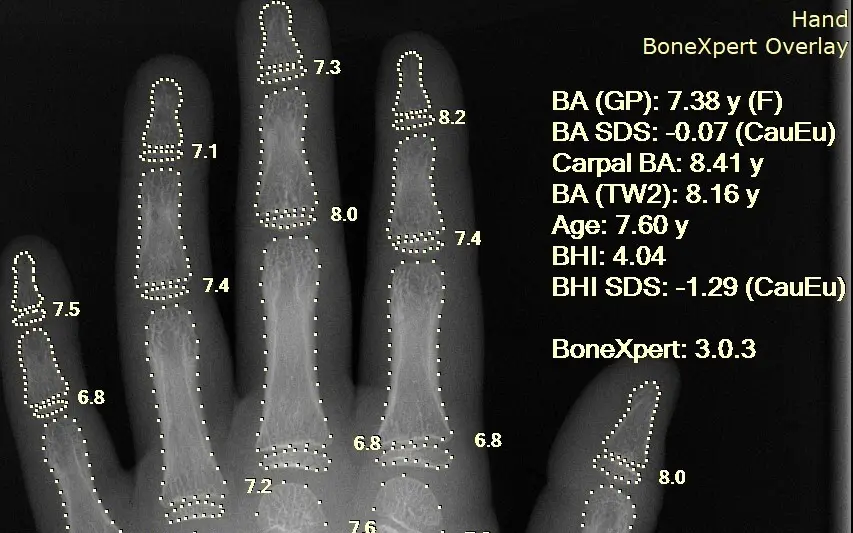
An AI radiology read is a report on your scan that software writes in minutes, with no radiologist (the doctor trained to read scans) looking at the images first. It is a quick, plain-language first look at an MRI, CT, X-ray or ultrasound, not a diagnosis, and it works best as something to bring to your own doctor. Here is what you actually get, what it is good for, where it stops, and when you want a person to read the scan instead.
What an AI read gives you
The AI is software trained on many thousands of scans that radiologists had already read and labeled. It goes through the images and writes a structured report: what it sees, a conclusion, and suggested next steps, with each medical term explained in plain words. A good one arrives in minutes, at any hour, and costs less than a specialist's report.
What it is good for
An AI read is most useful in the gap between getting a result and talking it through with your doctor:
- It turns jargon into plain language, so you know what the report is describing.
- It helps you write down questions for your appointment, such as what a finding means and what usually happens next.
- It gives a quick first look when the result lands in your online portal days before the appointment.
Where it stops
No doctor examines the images or signs the report, so nobody is professionally accountable for it. Software also knows only the patterns from the scans it learned on, so a rare disease, an unusual scanner or a child's scan can trip it up. And it cannot see you: your symptoms, your history and your older scans, which often decide whether a spot matters.
Think of a sat-nav. It is fast, always available and excellent on roads it knows, but it does not know the bridge closed this morning. A radiologist is the local driver who already does. For how AI performs in studies, see our guide to whether AI can read MRI and CT scans accurately.
AI read or radiologist read?
DocOrbit offers both, and they are two separate choices, not two steps of one service. Orbius, our AI radiology agent, writes the AI read in minutes. An online radiology second opinion is a different service: a subspecialist radiologist (one who reads a single body area all day) goes through the images and writes and signs their own report within 24 to 48 hours.
When a decision rides on the scan, such as a possible cancer or a surgery, that signed read is the one to want. It can also be booked after an AI read, but then it is a separate consultation, and the radiologist reads your scan fresh rather than starting from the AI report. Our guide to whether a second opinion is worth it can help you decide.
How to use an AI read
Treat it as a prompt for questions, not a verdict. A reassuring read is no reason to ignore symptoms, and an alarming one is no reason to panic. Bring it to your own doctor, and do not start, stop or change treatment because of it. If you want a person's view as well, you can have your scan re-read by another radiologist. And if your symptoms are severe or getting worse quickly, seek urgent care rather than waiting for any read.
Is an AI radiology read the same as a radiologist's report?
No. A radiologist's report is signed by a doctor who examined the images and is professionally responsible for it. An AI read is written by software and signed by no one, so it is a first look, not a diagnosis.
What do I need for an AI read of my scan?
The full study works best: the original image files from the hospital's CD or online portal, or a ZIP of them. A photo of a film or screen loses much of the detail, so the read is less reliable.
Can I ask a radiologist about my scan report online?
Yes. You upload your images from home, with no CD to post and no second trip, and a subspecialist radiologist re-reads the study and writes a structured report you can hand to your own doctor within 24 to 48 hours. You can message the radiologist with questions afterward. If you would rather start with a first look in minutes, an AI read from Orbius is a separate option.
Key takeaways
- An AI radiology read is a report that software writes on your scan in minutes, and no radiologist signs it
- It suits plain-language orientation and preparing questions, not diagnosis or treatment decisions
- When a decision rides on the scan, a subspecialist radiologist's signed read is the one to want
This article is for general information only and is not medical advice. Always discuss your imaging results and any next steps with a qualified physician.