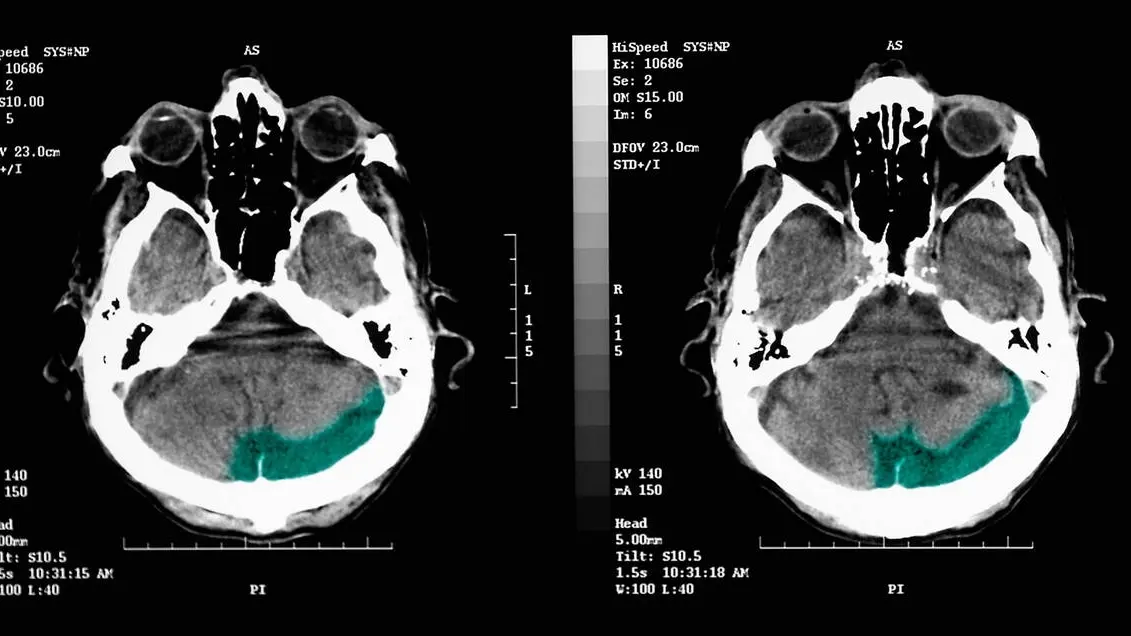
Yes for specific, well-defined jobs, and not yet for reading a whole scan on its own. AI (software trained on many thousands of scans that radiologists have already labeled) can match a radiologist at spotting one particular thing, such as a brain bleed on a head CT or a lung nodule (a small round spot) on a chest CT. It is much less reliable when the scan, the scanner, or the patient differs from what it learned on, and it only looks for what it was built to find. Here is where it works, where it does not, and how to use it.
Where AI reads scans well
The strongest AI tools do one narrow job. One flags a suspected brain bleed so the urgent head CT moves to the top of the queue; another finds and measures lung nodules, or tracks how a tumor changes between two scans. In studies, tools like these often match radiologists on that one task, and about three in four entries on the FDA's public list of AI-enabled medical devices, which now runs past a thousand, are radiology tools.
The reason is simple. Given thousands of labeled examples of one clear pattern, software gets very good at it and never tires on the three-hundredth thin cross-section of a CT. Think of a spell-checker: superb at the typos it knows, never bored, and still no judge of whether the essay makes sense.
Where it falls short
- It only sees what it was trained to see. A tool built for lung nodules says nothing about a thyroid lump or a cracked rib on the same CT, while a radiologist reads everything in the picture.
- It can stumble on the unfamiliar, such as images from a different scanner, a child's scan, or a rare disease it has seen few times.
- It can raise false alarms, flagging harmless spots that lead to worry and extra tests.
- It lacks context. A radiologist also weighs your symptoms, history, and older scans, such as whether a spot has stayed the same for two years.
Studies of radiologists working alongside AI show gains in some settings and little change in others, and much of the evidence comes from tidy, curated test sets. Our guides on how AI is changing radiology and what radiologists can miss cover both sides.
What about AI that writes a whole report?
Newer tools draft a report for an entire MRI or CT scan. They cover more ground, which also means more room for error, and their track record is shorter than that of the narrow tools.
DocOrbit offers two options, and they are separate. Orbius, our AI radiology agent, opens the complete scan files, not a screenshot, and returns a structured report in minutes; it is a first-pass read, not a diagnosis. A radiologist second opinion is a different service: a subspecialist radiologist (one who reads a single body area all day) goes through the images and writes and signs their own report within 24 to 48 hours.
How to use AI with your own scan
Treat an AI read as a quick orientation, not a verdict, handy for getting a report explained in plain language. Bring whatever it says to your own doctor, and do not change treatment because of it. When the stakes are high, such as a possible cancer or a surgery decision, a human subspecialist should read the pictures. You can have your scan re-read by another radiologist, ideally one who focuses on that body area, and our guide to why two radiologists can read the same scan differently explains what to expect.
Will AI replace radiologists?
Current tools are built to assist radiologists, not replace them. Reading a scan also means comparing older studies, weighing the clinical picture, and talking to the treating doctor, which AI does little of. The more realistic near-term change is software taking on more routine sorting and measuring.
Can a chatbot read a photo of my MRI?
It can describe what it sees, but a photo of a screen loses most of the detail in the original files, general chatbots are not designed or cleared as medical imaging tools, and no clinician stands behind the answer. A tool built for radiology that opens the full study is a better first pass.
Can I get a second opinion on my MRI or CT scan online?
Yes. You upload your images from home, with no CD to post and no second trip, and a subspecialist radiologist re-reads the study and writes a structured report you can hand to your own doctor within 24 to 48 hours. You can message the radiologist with questions afterward. If you would rather have an AI first read in minutes, Orbius is a separate option.
Key takeaways
- AI can match radiologists at narrow, well-defined tasks, but it does not yet read a whole scan as reliably as a subspecialist
- Its weak points are unfamiliar scans, false alarms, and missing clinical context
- Treat an AI read as a first pass to bring to your doctor, never as a diagnosis, and have a human specialist read the images when the decision matters
This article is for general information only and is not medical advice. Always discuss your imaging results and any next steps with a qualified physician.