





Articles
Explore expert articles and analysis on diagnostic accuracy, the value of second opinions, and new approaches in medicine
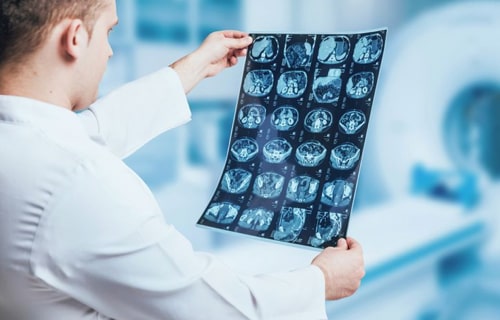
When Should You Get a Second Radiological Opinion?
In the complex world of medicine, decisions regarding health care are critical and often life-altering. One area where this complexity is heightened is in radiology, where interpretations of CT scans, MRIs, X-rays, and ultrasounds play a pivotal role in diagnosing and treating various conditions. Given the importance of accurate diagnoses, obtaining a second opinion from a radiologist can be a prudent step. This article delves into scenarios when seeking a second opinion in radiology might be beneficial, drawing upon insights from leading experts in the field.
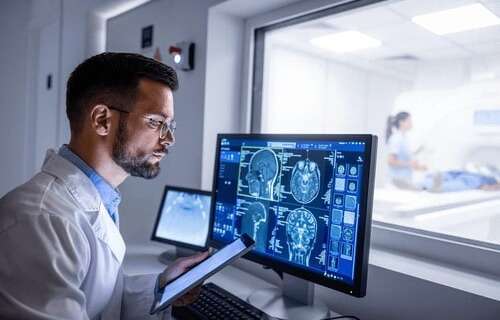
The Essential Role of Second Opinions in Radiology: Understanding the Impact
The Importance of Second Opinions in Radiology. Radiology plays a key role in diagnosing and tracking many medical conditions. But even experienced specialists can sometimes interpret images differently. Getting a second opinion helps confirm or clarify a diagnosis, reduces the risk of mistakes, and gives patients more confidence in their treatment plan. It’s a simple step that can make a big difference in care and outcomes.
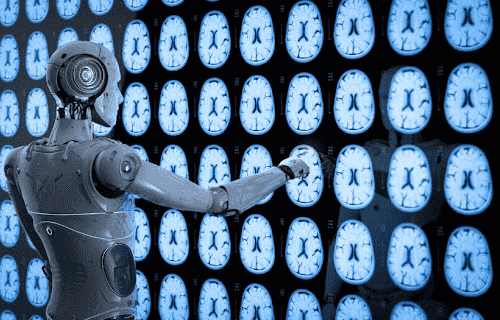
How AI Is Revolutionizing Radiology: Enhancing Detection, Streamlining Workflows, and Transforming Patient Care
In the modern healthcare landscape, radiology stands out as a primary beneficiary of artificial intelligence (AI). This advanced technology is not merely augmenting the capabilities of radiologists but is also setting new standards in patient care and diagnostic accuracy. Among all medical departments, AI-Enabled Devices are produced and for the radiology department at the highest rate (75%) [1].



Avoiding Misdiagnosis: How Second Opinions Improve Cancer Outcomes
In the complex field of oncology, obtaining an accurate diagnosis is essential for effective treatment and patient outcomes. However, misdiagnoses remain a significant concern, potentially leading to inappropriate treatments and adverse consequences. Seeking a second opinion can be a crucial step in ensuring diagnostic precision and optimal care for cancer patients.

Why a Second Opinion in Hematology Could Save Your Life: Evidence-Based Insights
In the complex field of hematology, obtaining an accurate diagnosis is crucial for effective patient care. However, misdiagnoses are not uncommon and can lead to inappropriate treatments and adverse outcomes. Seeking a second opinion can be a vital step in ensuring diagnostic accuracy and optimal treatment strategies.
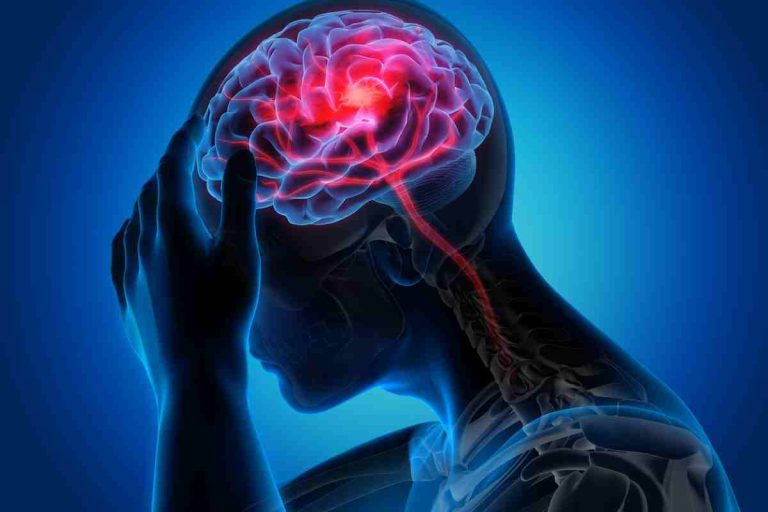
Is Your Neurological Diagnosis Correct? Why a Second Opinion Could Be a Lifesaver
Neurological conditions are among the most complex and challenging to diagnose. The brain and nervous system are incredibly intricate, and symptoms often overlap across multiple disorders. Misdiagnosis or delayed diagnosis in neurology can have serious consequences, including inappropriate treatments, disease progression, and even life-threatening outcomes. This is why seeking a second opinion in neurology is not just a good idea—it’s often a critical step in ensuring accurate diagnosis and effective treatment.
Why Second Opinions in Ophthalmology Are Critical for Accurate Diagnosis and Treatment
Ophthalmology, or the field dedicated to diagnosing and treating eye diseases, plays a critical role in healthcare. However, like many other medical fields, misdiagnosis and diagnostic errors in ophthalmology are unfortunately common. Given how essential vision is to daily life, accurate diagnosis and treatment are crucial. One key way to ensure this is through second opinions in ophthalmology, providing patients with an opportunity to confirm their diagnosis and explore the best course of treatment.
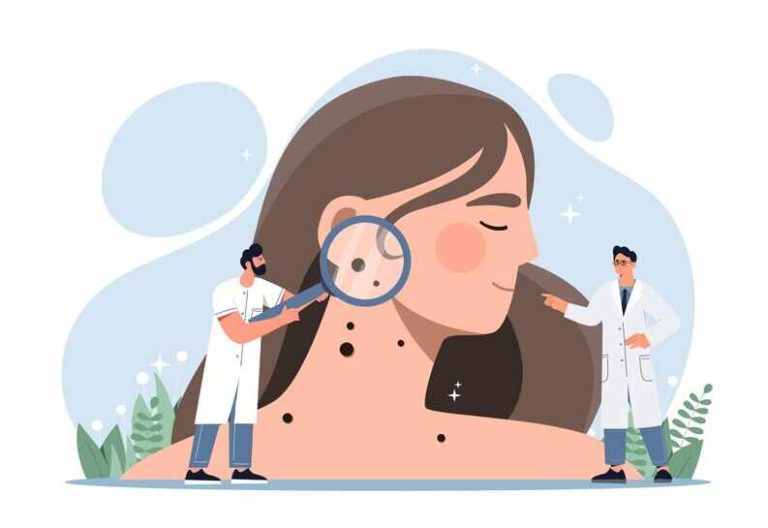
The Importance of a Second Opinion in Dermatology
Dermatology is a highly specialized field, yet skin conditions often present diagnostic challenges. Misdiagnosis can lead to improper treatment, delayed care, or unnecessary procedures. Seeking a dermatology second opinion can provide clarity, reassurance, and confidence in your diagnosis and treatment plan.
According to a study published in the Journal of the American Academy of Dermatology, approximately 23% of dermatology cases result in diagnostic changes when reviewed by a second specialist. This statistic highlights the critical importance of confirming diagnoses, especially for conditions like skin lesions, psoriasis, eczema, or suspected skin cancer.
Recent Developments in Medical AI: Advancing Healthcare Through Innovation
The field of medical artificial intelligence (AI) has been experiencing rapid advancements, significantly impacting healthcare delivery, diagnostics, and treatment planning. This article explores the latest developments in medical AI, highlighting its potential to revolutionize patient care.
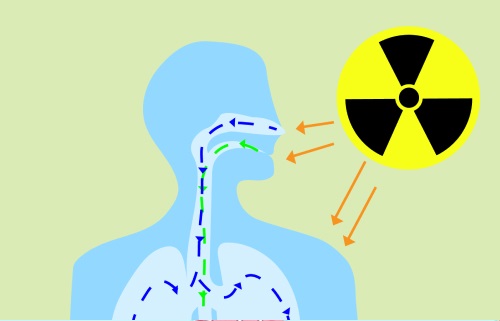
Understanding Radiation Dose in Radiology Scans: A Comprehensive Guide
Radiology plays a crucial role in modern medicine, providing invaluable insights into the human body through various imaging techniques. However, one aspect that often raises concern among patients is the use of radiation in these procedures. This article aims to shed light on the topic of radiation dose in radiology scans, including ultrasonography, plain radiographs, and computed tomography (CT), and how advancements in technology, like artificial intelligence (AI), are enhancing patient care and safety.
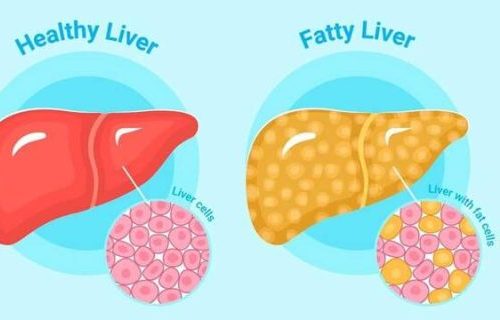
Understanding Fatty Liver Disease: The Role of MRI in Diagnosis and Management
Fatty liver disease, or hepatic steatosis, is characterized by the accumulation of excess fat in liver cells. Early detection and effective management are crucial to prevent progression to more serious liver conditions. At DocOrbit, we emphasize the importance of advanced imaging techniques, particularly MRI, in accurately diagnosing and monitoring this condition.
When Should You Get a Second Radiological Opinion?
In the complex world of medicine, decisions regarding health care are critical and often life-altering. One area where this complexity is heightened is in radiology, where interpretations of CT scans, MRIs, X-rays, and ultrasounds play a pivotal role in diagnosing and treating various conditions. Given the importance of accurate diagnoses, obtaining a second opinion from a radiologist can be a prudent step. This article delves into scenarios when seeking a second opinion in radiology might be beneficial, drawing upon insights from leading experts in the field.
The Essential Role of Second Opinions in Radiology: Understanding the Impact
The Importance of Second Opinions in Radiology. Radiology plays a key role in diagnosing and tracking many medical conditions. But even experienced specialists can sometimes interpret images differently. Getting a second opinion helps confirm or clarify a diagnosis, reduces the risk of mistakes, and gives patients more confidence in their treatment plan. It’s a simple step that can make a big difference in care and outcomes.
How AI Is Revolutionizing Radiology: Enhancing Detection, Streamlining Workflows, and Transforming Patient Care
In the modern healthcare landscape, radiology stands out as a primary beneficiary of artificial intelligence (AI). This advanced technology is not merely augmenting the capabilities of radiologists but is also setting new standards in patient care and diagnostic accuracy. Among all medical departments, AI-Enabled Devices are produced and for the radiology department at the highest rate (75%) [1].