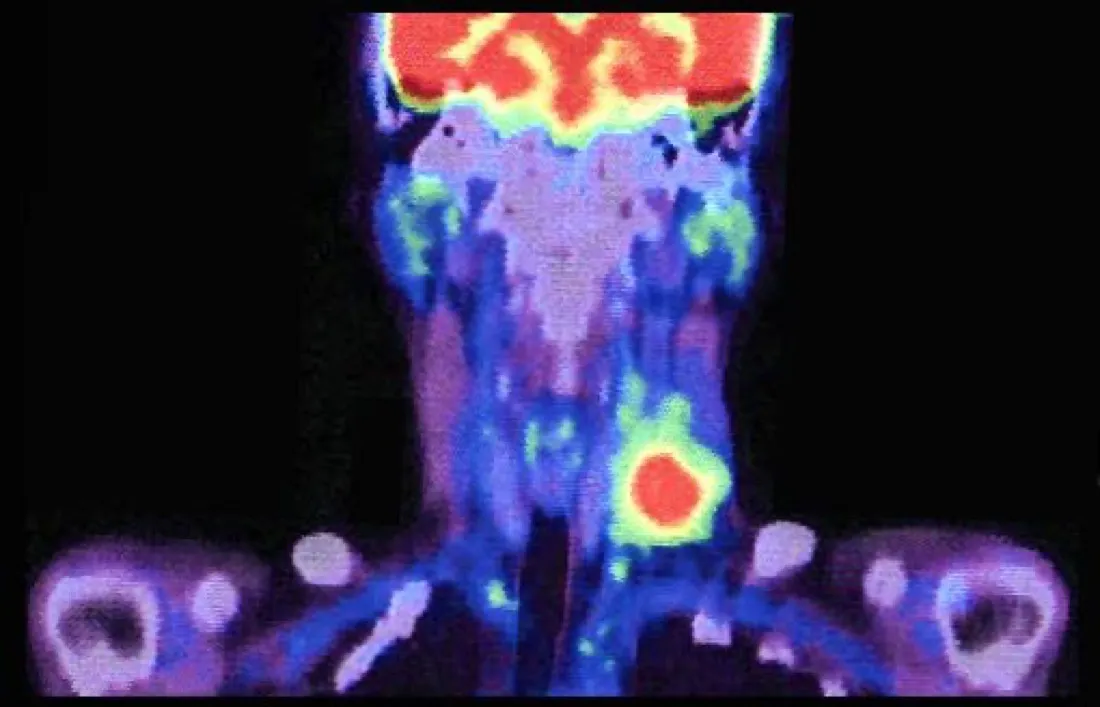
If a PET-CT report describes a spot as "hypermetabolic", or lists an "SUV" with a number you have never seen before, it is completely understandable to fear the worst, especially if the scan was done to look for cancer. Here is the steadying truth: hypermetabolic simply means an area is using more sugar than the tissue around it, and while cancer is one cause, so are infection, inflammation, recent surgery, and even normal muscle. The number, called the SUV, is a clue, not a verdict. This article explains what a PET-CT measures, what hypermetabolic and SUV really mean, the many things that can light up a scan, and when the finding calls for a closer look.
What a PET-CT scan measures
A PET-CT combines two scans in one. The CT part maps your anatomy in detail, while the PET part shows activity, specifically how hungry tissues are for sugar. Before the scan you are given a small amount of a radioactive glucose tracer called FDG. Cells that are working hard take up more of this tracer, so they glow brighter on the images.
Because many cancers use glucose faster than normal tissue, they often stand out on PET. But that same biology is shared by anything metabolically busy, which is exactly why a bright spot is a starting point for questions rather than an answer on its own.
What hypermetabolic means
Hypermetabolic is the radiologist's way of saying a spot is using more glucose than expected for that location, so it appears brighter than the surrounding tissue. It is a description of behavior, not a diagnosis. A hypermetabolic lymph node, nodule, or area of tissue is one that deserves attention and context, not one that has been labeled as cancer.
The opposite terms are worth knowing too. A finding may be called hypometabolic or non-avid when it takes up little tracer, which is often, though not always, reassuring.
What the SUV number means
SUV stands for standardized uptake value, a way of putting a number on how brightly a spot takes up the tracer. The figure you most often see is the SUVmax, the value of the single most active point in a region.
A higher SUV generally means more avid uptake, but there is no universal cutoff that neatly separates benign from cancer. The number is influenced by several things:
- The size of the finding, since small spots can read falsely low
- Your blood sugar at the time of the scan
- How much time passed between the tracer injection and the images
- The specific scanner and how it was calibrated
Because of this, doctors treat the SUV as one data point among many, and they pay special attention to how it changes over time and how the spot looks on the CT.
Why a hypermetabolic spot is not automatically cancer
This is the single most important point for anyone staring at a worrying report: plenty of harmless, temporary things are hypermetabolic. Common non-cancer causes include:
- Active infection, such as pneumonia or an abscess
- Inflammation, including after surgery, radiation, or injury
- Recent procedures and healing tissue
- Granulomatous conditions such as sarcoidosis or old tuberculosis
- Normal but active tissue, such as tensed muscle, the vocal cords, bowel, or brown fat that switches on when you are cold
This overlap is why a hypermetabolic lung nodule, for example, is interpreted alongside its size, shape, and your history rather than judged on brightness alone.
When a hypermetabolic finding matters
Context decides almost everything. In someone with a known cancer, a PET-CT is often used to stage the disease or to check how treatment is working, and there a hypermetabolic focus in a new area is taken seriously and acted on. In someone without a cancer diagnosis, an unexpected bright spot is usually a prompt for careful correlation rather than alarm.
Doctors weigh several things together: how the finding looks on the CT, whether it is new or growing compared with older scans, the SUV and its trend, and your symptoms and history. For cancer decisions that reading is high-stakes, which is one reason a second opinion can genuinely change the plan.
How a hypermetabolic finding is followed up
The next step depends on the whole picture. Options a doctor may consider include comparing the scan with any prior imaging, a short-interval follow-up PET to see whether the activity settles, a targeted biopsy to get tissue, or a dedicated CT or MRI of the area. Many bright spots fade on a repeat scan once an infection or inflammation resolves, which is why time is sometimes the most useful test of all.
Why a second read can help
PET-CT sits at the intersection of two scans and a number, and reading it well means judging the SUV in context, matching it to the CT, and comparing it with prior studies. When a result is unexpected, lands at a borderline SUV, or will drive a major decision such as surgery or chemotherapy, it is reasonable to want another expert eye. An independent second read through DocOrbit gives you a careful review of the PET-CT and the SUV measurements that you can share with your own doctor. If you are weighing that step, our guide to when to get a second radiological opinion walks through how to decide.
Does hypermetabolic on a PET scan mean cancer?
No. Hypermetabolic simply means a spot is using more glucose than the tissue around it, so it looks brighter on the scan. Cancer is one cause, but infection, inflammation, recent surgery, and even normal muscle or brown fat can be hypermetabolic too. The finding has to be read together with the CT images, your history, and sometimes a biopsy.
What SUV value is considered concerning on a PET-CT?
There is no single magic cutoff. Many centers view a higher SUVmax as more suspicious, and a value above roughly 2.5 in a lung nodule is often flagged for closer attention, but the meaning shifts with lesion size, blood sugar, the tissue involved, and the scanner. The trend over time and the appearance on CT matter as much as the number itself.
Can inflammation or infection cause a high SUV?
Yes, very commonly. Active infection, inflammation, healing after surgery or radiation, and conditions such as sarcoidosis can all raise glucose use and produce a bright, high-SUV spot that is not cancer. This overlap is a major reason PET findings are interpreted in context rather than judged on brightness alone.
What does SUVmax mean?
SUVmax is the standardized uptake value of the single most active point in a region, a number describing how avidly that spot takes up the radioactive glucose tracer. It is useful for comparison over time, but it is affected by technical factors such as blood sugar and scan timing, and it is not a diagnosis on its own.
Should I get a second opinion on a PET-CT scan?
It is reasonable, especially when a result is unexpected, sits at a borderline SUV, or will drive a major decision such as surgery or chemotherapy. PET-CT interpretation is nuanced, and an independent expert read of the images and the SUV measurements can add confidence before you and your doctor commit to a plan.
Key takeaways
- Hypermetabolic means a spot uses more glucose than its surroundings, it is not a diagnosis of cancer
- SUV, and usually SUVmax, is a number for how brightly a spot takes up the tracer, with no universal benign-versus-cancer cutoff
- Infection, inflammation, healing, and normal active tissue can all light up a PET scan
- Context is everything: the CT appearance, prior scans, the SUV trend, and your history decide what a finding means
- For borderline or high-stakes results, a second read of the images and SUV can add real confidence
If the rest of your report reads like another language, our free radiology report explainer rewrites it in everyday words, defines the terms it uses and suggests what to ask at your next appointment.
Can I ask a radiologist about my PET-CT report online?
Yes. Online radiology second opinions run entirely from home: you upload your images, with no CD to post and no second trip, and a subspecialist radiologist re-reads the study and writes a structured report you can give to your own doctor. DocOrbit returns that signed second read in 24 to 48 hours. You can then message the radiologist with questions about the PET-CT and about what the report actually means for you.
This article is for general information only and is not medical advice. Always discuss your imaging results and any next steps with a qualified physician.