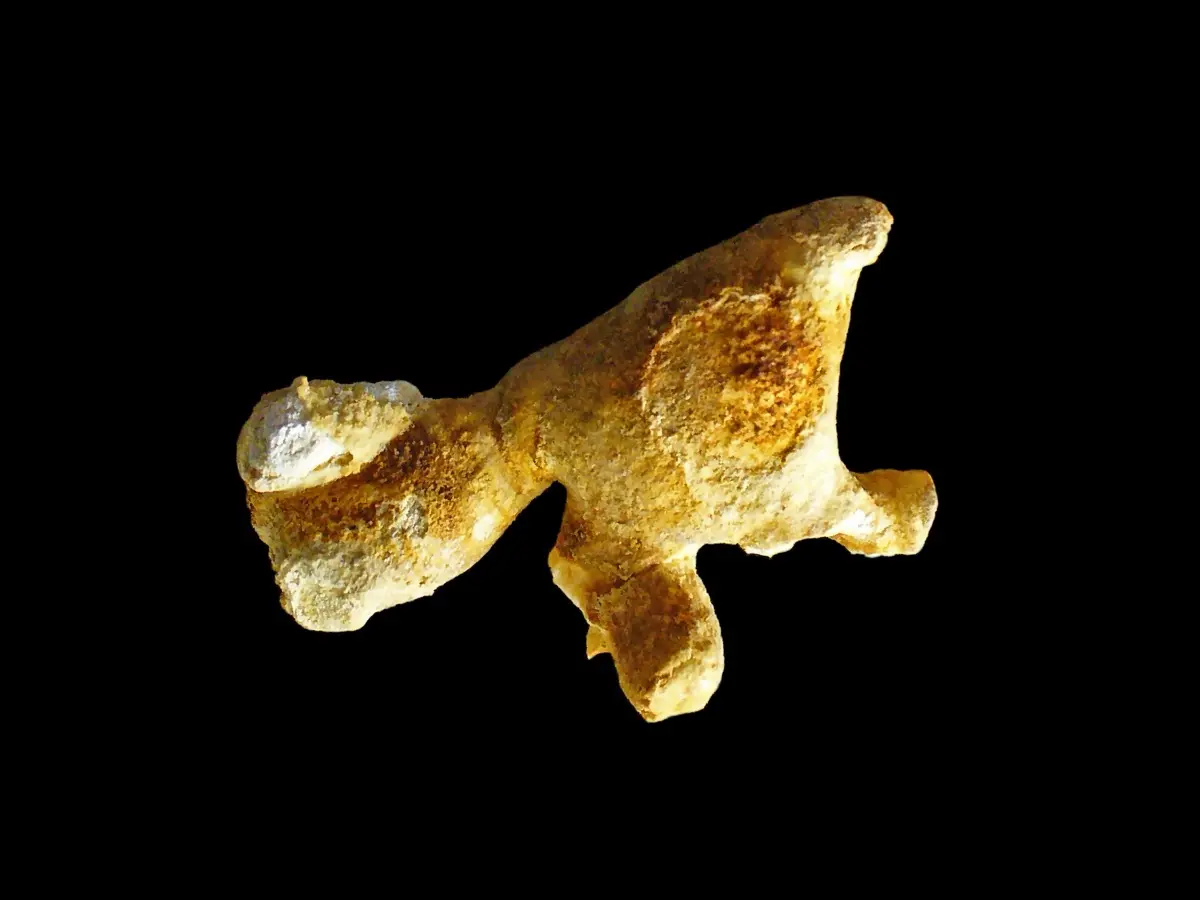
If your scan report mentions a "kidney stone", "renal calculus", or "nephrolithiasis", it is natural to feel worried, especially if the pain that brought you in was intense. The reassuring truth is that kidney stones are extremely common and the large majority pass on their own without any lasting harm to the kidney. Here is what a stone actually is, why it forms, when it matters, how it is usually treated, and what you can do to keep the next one from forming.
What is a kidney stone?
A kidney stone is a small, hard deposit that forms inside the kidney when certain minerals and salts in the urine become concentrated enough to crystallize and clump together. Some stones stay quietly in the kidney and cause no trouble at all. The problem usually starts when a stone moves into the ureter, the narrow tube that carries urine from the kidney to the bladder, and blocks the flow. That is what produces the classic wave of severe pain.
Stones come in a range of sizes, from a grain of sand to, rarely, a large branching stone that fills much of the kidney's collecting system. On imaging, radiologists describe a stone's size in millimetres, its location, and whether it is causing the kidney above it to swell. That last detail matters more than the stone itself, because it tells your doctor whether urine is backing up.
- Calcium stones are by far the most common and usually contain calcium oxalate
- Uric acid stones are linked to a diet high in animal protein and to gout
- Struvite stones form in the setting of urinary infections and can grow large
- Cystine stones are rare and run in families
How is a stone found on a scan?
When someone arrives with sudden flank pain, a non-contrast CT scan of the abdomen and pelvis is the most sensitive test and can detect nearly all stones, including tiny ones and stones low in the ureter. Ultrasound is often chosen first for younger patients and during pregnancy because it uses no radiation; it reliably shows whether the kidney is swollen even when it cannot see the stone itself. A plain X-ray of the abdomen picks up only stones that are dense enough to show, so it is used more for follow-up than for diagnosis.
Because a stone is a focused problem in the urinary tract, the surrounding organs on the same scan are worth a careful look too. If your report also mentioned a simple kidney cyst or a finding in the gallbladder such as gallstones, those are separate, usually unrelated findings that your doctor will interpret in context.
What causes kidney stones?
Stones form when urine is too concentrated for too long, which lets minerals settle out instead of staying dissolved. Several everyday factors push in that direction.
- Not drinking enough fluid, so urine stays concentrated
- A diet high in salt, which raises the calcium in your urine
- A lot of animal protein, which can lower urinary citrate and raise uric acid
- A personal or family history of stones
- Being overweight, and some metabolic and bowel conditions
- Recurrent urinary tract infections, in the case of struvite stones
Is it serious?
For most people a kidney stone is painful but not dangerous, and it passes without harming the kidney. There are, however, situations that doctors treat urgently. A stone that completely blocks the ureter alongside a fever is the most important one, because a blocked kidney that becomes infected needs prompt drainage. Other reasons to be seen quickly include vomiting that stops you keeping fluids down, uncontrollable pain, a single functioning kidney, or blood tests suggesting the kidneys are struggling. These are the exceptions rather than the rule, but they are worth knowing.
What are the symptoms?
The best-known symptom is renal colic: a sharp, cramping pain that often starts in the back or side and travels down toward the groin, coming in waves. Blood in the urine is common, sometimes visible and sometimes only found on a urine test. Nausea, vomiting, and a frequent, urgent need to urinate can accompany it. Not every stone hurts, though. Stones that sit quietly in the kidney are often discovered by chance on a scan done for another reason, and those frequently need nothing more than watchful waiting.
How are kidney stones treated?
Treatment depends mostly on the size and position of the stone and how much trouble it is causing. Small stones are usually managed conservatively: good hydration, pain relief, and sometimes a medication that relaxes the ureter to help the stone along. Many stones pass this way within days to weeks.
When a stone is too large to pass, is stuck, or is causing a blockage, a urologist has several effective options. Shock wave lithotripsy uses focused energy from outside the body to break a stone into smaller pieces. Ureteroscopy passes a thin scope up to the stone to break it up with a laser and remove the fragments. For very large or branching stones, a keyhole procedure through the back removes the stone directly. Each has its place, and the right choice depends on the individual.
Can diet and lifestyle help?
Yes, and prevention is one area where your own habits make a real difference. Roughly half of people who have had one stone will form another within several years, and simple measures meaningfully lower that risk.
- Drink enough that your urine stays pale, often around 2.5 to 3 litres a day
- Go easier on salt, which is one of the strongest dietary levers
- Keep animal protein moderate rather than very high
- Do not cut dietary calcium too far, as low calcium can paradoxically raise stone risk
- Ask your doctor whether your stone type calls for a more specific plan
Why a second read can help
A kidney stone is usually straightforward, but the scan that found it carries a lot of detail: the exact size and position of the stone, whether the kidney is obstructed, and whether anything else showed up along the way. Those details shape whether you wait, take medication, or need a procedure. If you want another expert eye on the images before deciding on treatment, DocOrbit offers an expert second read of your scan that you can share with your own doctor. It can be reassuring to have a specialist confirm the findings, and it pairs naturally with the value of a second radiological opinion whenever a report leaves you with questions.
How long does it take to pass a kidney stone?
Most small stones under 5 mm pass on their own within a few days to a few weeks once they reach the ureter. Larger stones, or stones that stall, can take longer or may not pass without help. Staying well hydrated and keeping active can encourage the process, but severe pain, fever, or vomiting means it is time to be seen rather than to keep waiting.
What size kidney stone needs surgery?
There is no single cutoff, but stones smaller than about 5 mm usually pass without a procedure, while stones larger than about 10 mm often need treatment such as shock wave lithotripsy or ureteroscopy. Stones between 5 and 10 mm are a grey zone that depends on their exact location, your symptoms, and how they behave over time. A urologist weighs all of these, not just the size.
Are kidney stones dangerous?
Most kidney stones are painful but not dangerous, and they pass without lasting harm. The situation becomes urgent when a stone completely blocks urine flow, especially if there is also a fever, because a blocked and infected kidney needs prompt treatment. Persistent vomiting, a single working kidney, or pain that cannot be controlled are also reasons to seek care quickly.
Can kidney stones be seen on ultrasound?
Yes. Ultrasound can show many stones and, importantly, whether a stone is causing the kidney to swell, and it uses no radiation, which is why it is often the first test in younger patients and in pregnancy. A non-contrast CT scan remains the most sensitive test overall, particularly for small stones or stones low in the ureter that ultrasound can miss.
How can I stop kidney stones from coming back?
The single most effective step is drinking enough fluid that your urine stays pale, usually around 2.5 to 3 litres a day for most adults. Lowering salt, keeping animal protein moderate, and not cutting dietary calcium too far also help for the most common stone type. If you form stones repeatedly, a doctor may analyse a passed stone and order urine tests to tailor the plan.
Key takeaways
- Kidney stones are very common and most pass on their own without harming the kidney
- A non-contrast CT is the most sensitive test; ultrasound is preferred when avoiding radiation matters
- A stone with fever, uncontrolled pain, or vomiting deserves prompt medical attention
- Size and location guide treatment, from watchful waiting to lithotripsy or ureteroscopy
- Staying well hydrated is the most powerful way to prevent the next stone
Your report probably contains more than this one finding. Our free radiology report explainer puts the whole thing into plain English and gives you a short list of questions to take to your doctor.
How do I have my CT reviewed by another radiologist online?
Yes. Online radiology second opinions run entirely from home: you upload your images, with no CD to post and no second trip, and a subspecialist radiologist re-reads the study and writes a structured report you can give to your own doctor. DocOrbit returns that signed second read in 24 to 48 hours. You can then message the radiologist with questions about the CT and about what the report actually means for you.
This article is for general information only and is not medical advice. Always discuss your imaging results and any next steps with a qualified physician.