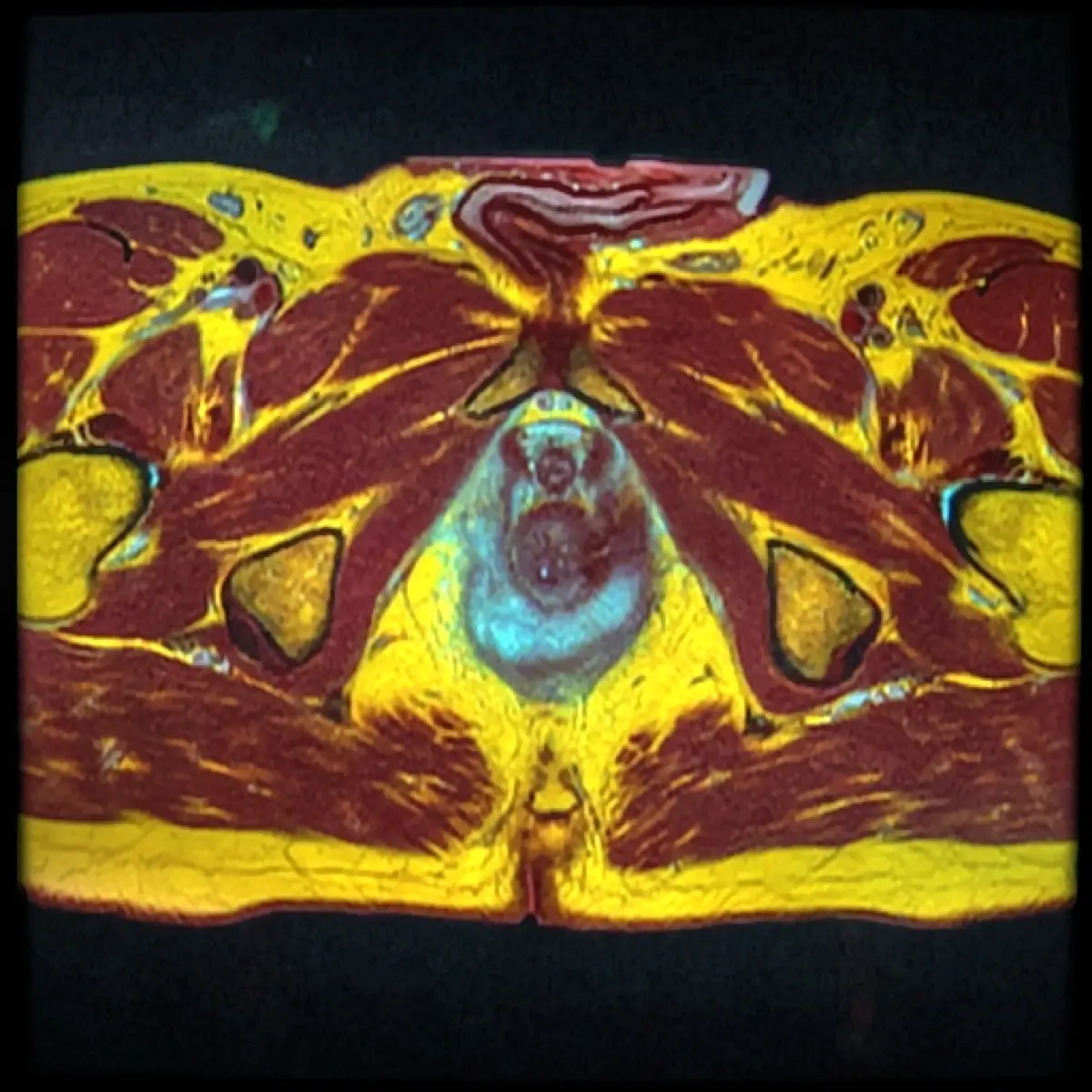
Seeing "enlarged prostate," "prostatomegaly," or "benign prostatic hyperplasia (BPH)" on an ultrasound, CT, or MRI report can set off an immediate worry: does this mean cancer? For the large majority of men, the reassuring answer is no. BPH is an extremely common, non-cancerous enlargement of the prostate that comes with getting older, and it is mostly a matter of comfort and urinary symptoms rather than danger. This guide explains what the finding means, why it happens, the symptoms it can cause, and how doctors tell it apart from the conditions that do need closer attention.
What "enlarged prostate" means
The prostate is a small gland that sits just below the bladder and wraps around the urethra, the tube that carries urine out of the body. Because of that position, when the prostate grows it can squeeze the urethra and change the way urine flows. "Benign prostatic hyperplasia" simply describes a benign (non-cancerous) increase in the number of cells in the gland, which makes it larger over time.
Radiologists usually note prostate size in a few ways:
- Volume: measured in cubic centimeters (cc) or milliliters, often calculated from three dimensions on ultrasound or MRI. A normal gland is roughly 20–30 cc.
- Where it bulges: BPH typically enlarges the central, inner part of the gland (the transition zone) and can push up into the floor of the bladder.
- Effect on the bladder: reports may mention bladder wall thickening or urine left behind after voiding (post-void residual), both signs the bladder is working harder.
BPH is frequently picked up by chance on a scan ordered for something else, much like many other common incidental findings, from an ovarian cyst on a pelvic ultrasound to a lung nodule on a CT scan.
Common causes
BPH is mostly a story of age and hormones rather than anything a man did or did not do. The main drivers are:
- Aging: the single biggest factor. BPH is uncommon before 40 but very common by the 60s and 70s.
- Hormones: a testosterone byproduct called DHT (dihydrotestosterone) stimulates prostate growth over the years.
- Family history: men whose close relatives had significant BPH may notice it earlier.
- Metabolic factors: obesity, diabetes, and inactivity are associated with more bothersome symptoms.
Is it serious?
For most men, the honest answer is that BPH is bothersome rather than dangerous. The crucial point that worries people most is the difference between BPH and prostate cancer, so it is worth being clear: BPH is benign, and an enlarged prostate is not a form of cancer. The two are separate conditions that can coexist simply because both become more common with age.
Because BPH and prostate cancer can both raise PSA (a blood marker) and cause urinary symptoms, doctors use a few tools to keep them apart: a digital rectal exam, the pattern and trend of PSA over time, and, when there is any uncertainty, a prostate MRI. On MRI, suspicious areas are scored with a system called PI-RADS, which rates how likely a finding is to represent clinically significant cancer. A report describing classic BPH with a low PI-RADS score is reassuring.
BPH does occasionally cause complications that need prompt care: an inability to pass urine at all (acute urinary retention), recurrent urinary infections, bladder stones, or pressure backing up toward the kidneys. These are the situations doctors act on quickly, but they affect a minority of men.
Symptoms
Many men with an enlarged prostate on imaging have few or no symptoms. When symptoms do appear, they are grouped as lower urinary tract symptoms and tend to come on gradually:
- A weak or slow stream, and sometimes difficulty getting started (hesitancy).
- Frequent urination, including waking at night to go (nocturia).
- A sense of not fully emptying the bladder, or dribbling at the end.
- Urgency, a sudden strong need to urinate.
Symptoms that deserve prompt attention include being completely unable to urinate, blood in the urine, fever with urinary pain, or rapidly worsening symptoms. These do not usually mean something dangerous, but they are worth a timely call to your doctor rather than waiting.
How it is diagnosed and followed up
Imaging is only one piece. The full picture usually comes together from a combination of:
- Symptom score: a short questionnaire (the IPSS) that grades how much symptoms affect daily life.
- Digital rectal exam and PSA: to assess the gland's texture and screen for other prostate conditions.
- Urine flow and post-void residual: simple tests of how well and how completely the bladder empties.
- Ultrasound or MRI: to measure prostate volume and, when needed, to look more carefully at the gland's structure.
Follow-up varies by patient. A man with mild symptoms and a reassuring workup may simply be re-checked periodically, while bothersome symptoms or a rising PSA may prompt more testing. Your own doctor weighs your symptoms, history, and test results together rather than reacting to the size alone.
Treatment options
Treatment is matched to how much the symptoms bother you, not to the prostate's size on a report. The usual ladder is:
- Watchful waiting: for mild symptoms, often the right first step, with periodic review.
- Medications: alpha-blockers relax the muscle around the urethra to improve flow quickly; 5-alpha-reductase inhibitors gradually shrink the gland over months; the two are sometimes combined.
- Minimally invasive procedures: newer office or day-case treatments that open the channel through the prostate with less downtime.
- Surgery: well-established operations such as TURP remove or reshape the obstructing tissue when medication is not enough.
The right choice depends on gland size, symptom severity, other health conditions, and personal preference, and it is a decision made together with a urologist.
Lifestyle changes that can help
Simple habits often ease mild symptoms and are worth trying alongside any medical plan:
- Limit fluids in the two hours before bed to reduce night-time trips.
- Cut back on caffeine and alcohol, which irritate the bladder.
- Take your time and fully empty the bladder; "double voiding" (going again after a short pause) can help.
- Be cautious with over-the-counter decongestants and some antihistamines, which can worsen flow.
- Stay active and manage weight, which is linked to fewer urinary symptoms.
Why a second read can help
Most of the anxiety around an enlarged prostate comes from a single question: is this just BPH, or could there be something more? That distinction often rests on careful interpretation of a prostate MRI and its PI-RADS score, where two radiologists can occasionally read a borderline area differently. DocOrbit offers an expert second-opinion radiology report you can share with your own doctor. It is useful when a report is ambiguous, when a PSA is mildly raised, or when you simply want the confidence of a careful second look before deciding on biopsy or treatment.
Does an enlarged prostate mean cancer?
No. Benign prostatic hyperplasia is, by definition, a non-cancerous growth, and an enlarged prostate on imaging is one of the most common findings in older men. BPH and prostate cancer are different conditions that can exist independently, and having one does not cause the other. Because both can raise PSA and cause urinary symptoms, doctors use a digital exam, PSA trends, and sometimes a prostate MRI to tell them apart when there is any question.
Is benign prostatic hyperplasia serious?
For most men it is not dangerous, but it can be bothersome. BPH is a quality-of-life condition: the main problem is urinary symptoms such as a weak stream, frequent trips to the bathroom, and waking at night. It becomes more urgent only in a minority of cases, when it leads to an inability to urinate (urinary retention), recurrent infections, bladder stones, or backed-up pressure on the kidneys. Those situations are treated promptly, but they are the exception rather than the rule.
Can an enlarged prostate shrink or go away?
An enlarged prostate does not usually return to its original size on its own, because the growth is driven by aging and hormones. However, certain medications can meaningfully shrink the gland over months, and many men find their symptoms improve enough that the size stops mattering. The goal of treatment is usually better urine flow and comfort rather than a specific prostate measurement.
What size prostate is considered enlarged?
A normal adult prostate is roughly the size of a walnut, around 20 to 30 cubic centimeters in volume. Many reports describe a prostate above about 30 cc as enlarged, and glands can reach 80 cc or more. That said, size alone does not decide treatment: some men with a large prostate have few symptoms, while others with modest enlargement are quite bothered. Symptoms and urine flow matter more than the number.
When does an enlarged prostate need surgery?
Surgery or a procedure is usually considered when medications no longer control symptoms, or when BPH has caused complications such as repeated retention, recurrent infections, bladder stones, or kidney strain. Many men never reach this point and do well on observation or medication alone. When a procedure is needed, there are now several options ranging from minimally invasive treatments to traditional resection, chosen to fit the gland's size and the patient's preferences.
Key takeaways
- An enlarged prostate (BPH) is a very common, non-cancerous part of aging, not a form of cancer.
- It is mostly a comfort and urinary-flow issue; the size on a report matters less than the symptoms.
- Because BPH and prostate cancer can both raise PSA, a digital exam, PSA trend, and sometimes a prostate MRI help tell them apart.
- Most men do well with watchful waiting, lifestyle changes, or medication; procedures are reserved for symptoms or complications that need them.
Still unsure what the rest of your report says? Paste it into our free radiology report explainer and read it back in plain English, with each medical term defined and a short list of questions worth asking your doctor.
How do I have my MRI reviewed by another radiologist online?
Yes. Online radiology second opinions run entirely from home: you upload your images, with no CD to post and no second trip, and a subspecialist radiologist re-reads the study and writes a structured report you can give to your own doctor. DocOrbit returns that signed second read in 24 to 48 hours. You can then message the radiologist with questions about the MRI and about what the report actually means for you.
This article is for general information only and is not medical advice. Always discuss your imaging results and any next steps with a qualified physician.