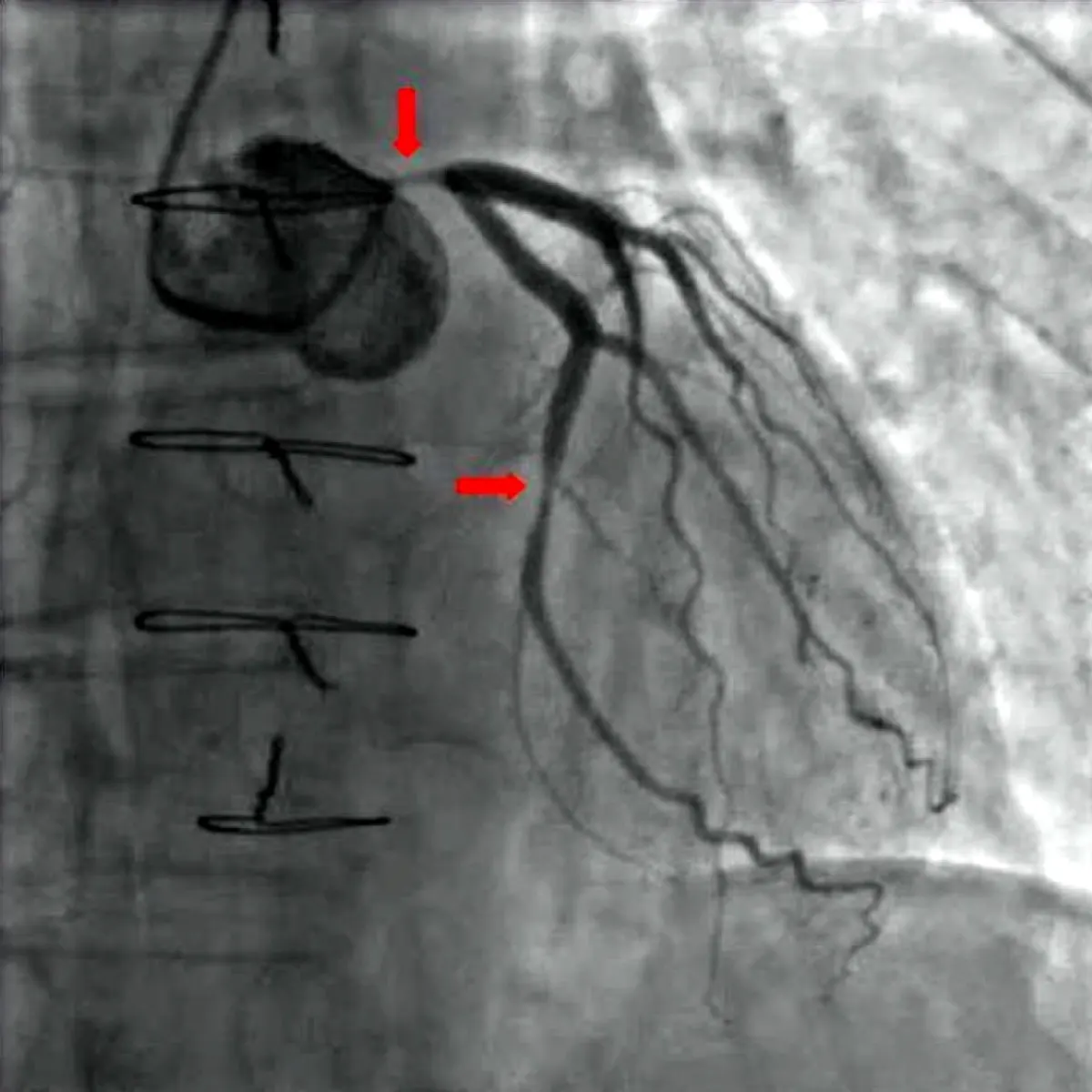
If you were handed a report with a "coronary artery calcium score" or "CAC score" and a number you have never seen before, it is natural to wonder whether that number is good, bad, or somewhere in between. Here is the reassuring starting point: a calcium score is not a diagnosis and it is not a sentence. It is a risk estimate, a way of measuring how much calcified plaque has built up in your heart's arteries so that you and your doctor can decide how aggressively to protect your heart going forward. This article explains what the score measures, what the ranges mean, and when the number should prompt a closer conversation.
What a coronary artery calcium score actually measures
A calcium score comes from a quick, non-contrast CT scan of the heart, often called a heart scan or a CAC scan. The scanner looks for calcium in the walls of the coronary arteries, the vessels that supply the heart muscle itself. Calcium collects in these walls as part of atherosclerosis, the slow process in which fatty plaque forms and hardens over years.
The amount of calcium is turned into a single number called the Agatston score. In simple terms, the more calcified plaque the scan detects, the higher the number. A radiologist may also report a percentile, which compares your score to other people of the same age and sex, so a young person with any calcium at all can still stand out as higher than expected.
The score is usually grouped into broad bands:
- 0 — no detectable calcified plaque
- 1 to 99 — mild plaque
- 100 to 399 — moderate plaque
- 400 or higher — extensive plaque
What causes calcium to build up
Coronary calcium is a footprint of atherosclerosis, so the things that drive plaque are the same familiar cardiovascular risk factors. Common contributors include:
- Getting older, since plaque accumulates gradually over decades
- High LDL cholesterol
- High blood pressure
- Smoking, current or past
- Diabetes or high blood sugar
- A family history of early heart disease
Calcium in an artery wall is closely related to the plaque described in a carotid or vascular ultrasound report. It is the same underlying disease showing up in a different part of the body, which is why doctors treat these findings as connected clues about your overall vascular health rather than isolated events.
Is a calcium score serious?
The honest answer is that the score describes risk, not certainty. A high number does not mean a heart attack is coming, and a low number does not make you invincible. What the score does very well is sort people into groups so that prevention can be matched to real risk instead of guesswork.
A score of 0 is a strong signal that your near-term risk is low, and it can be a good reason to hold off on medication if you were on the fence. As the number climbs into the hundreds, the odds of a future cardiac event rise, and treatment usually becomes more clearly worthwhile. A score of 400 or more places you in a higher-risk category that most guidelines take seriously. Crucially, the same number carries different weight at different ages, which is one reason two people with identical scores can get very different advice.
Do calcium scores cause symptoms?
The calcium itself causes no symptoms, and the scan is usually done precisely because a person feels well but wants to understand their risk. Calcified plaque is a marker of disease that has been building quietly, not something you can feel. If you do have symptoms such as chest pressure, breathlessness on exertion, or pain that spreads to the arm or jaw, that is a different situation that needs prompt medical evaluation rather than a screening calcium score.
How the score is used and followed up
Your doctor reads the calcium score together with your cholesterol panel, blood pressure, blood sugar, smoking history, and family history. Out of that whole picture comes a plan, which might mean starting or intensifying a statin, tightening blood pressure control, or simply confirming that a lower-key approach is reasonable for now.
Repeat scanning is not usually done often, because the number tends to change slowly and a single score already does most of the work of estimating risk. When the result is unexpected, or when a borderline number sits right at the threshold where treatment decisions change, it is very reasonable to want a careful second look at the images and the calculation before committing to a long-term plan.
Treatment and lifestyle
Because a calcium score reflects atherosclerosis, the response is the well-established toolkit for protecting the heart. Depending on your overall risk, that can include:
- Statins or other cholesterol-lowering medication to stabilize plaque
- Blood pressure treatment when readings run high
- Stopping smoking, which is one of the highest-impact changes possible
- Regular physical activity and a heart-friendly eating pattern
- Managing blood sugar and weight
The aim is not to chase the calcium number down but to make the plaque that is already there less likely to cause trouble.
Why a second read can help
A calcium score often sits at the exact point where a real decision is made, whether or not to start a lifelong medication, so it is worth having confidence in the number. Scores can vary with scan technique and how the calcified areas are measured, and a borderline result can tip a treatment decision either way. An expert second read through DocOrbit gives you an independent review of the heart CT and the score that you can share with your own doctor, which is especially valuable when a result surprises you or lands right at a threshold. If you are weighing that step, our guide to when to get a second radiological opinion walks through how to decide.
Is a coronary calcium score of zero good?
Yes. A score of zero means the scan found no calcified plaque in your coronary arteries, and it is one of the strongest signs that your risk of a heart attack in the next several years is low. It does not guarantee perfectly clean arteries, because very early, non-calcified plaque does not show up on this test, but a zero is genuinely reassuring.
What is a dangerous coronary artery calcium score?
There is no single cutoff for danger. In general a score above 100 shows meaningful plaque and a score above 400 is considered extensive and places you in a higher-risk group. What matters most is your whole picture, since the same number means something different for a 45-year-old than for a 75-year-old. Your doctor reads the score alongside your age, cholesterol, blood pressure, and family history.
Can a high coronary calcium score be reversed?
The calcium itself usually does not disappear, and scores tend to stay stable or rise slowly over time. The goal is not to erase the number but to stabilize the plaque and lower your risk with treatment such as statins, blood pressure control, and lifestyle change. Many people with a high score never have a heart attack because their risk is managed well.
Does a calcium score scan need contrast dye or a needle?
No. A standard coronary artery calcium scan is a quick, non-contrast CT of the heart. There is no injection, no dye, and no fasting required, and the scan itself takes only a few minutes with a low radiation dose.
Key takeaways
- A CAC score measures calcified plaque in the heart's arteries and estimates cardiovascular risk, it is not a diagnosis of a heart attack.
- A score of 0 is reassuring; 100 to 399 is moderate; 400 or higher is extensive and taken seriously.
- Age matters, so the same number can mean different things for different people.
- The scan is quick, needs no dye or needle, and the result guides prevention such as statins and lifestyle change.
Still unsure what the rest of your report says? Paste it into our free radiology report explainer and read it back in plain English, with each medical term defined and a short list of questions worth asking your doctor.
This article is for general information only and is not medical advice. Always discuss your imaging results and any next steps with a qualified physician.